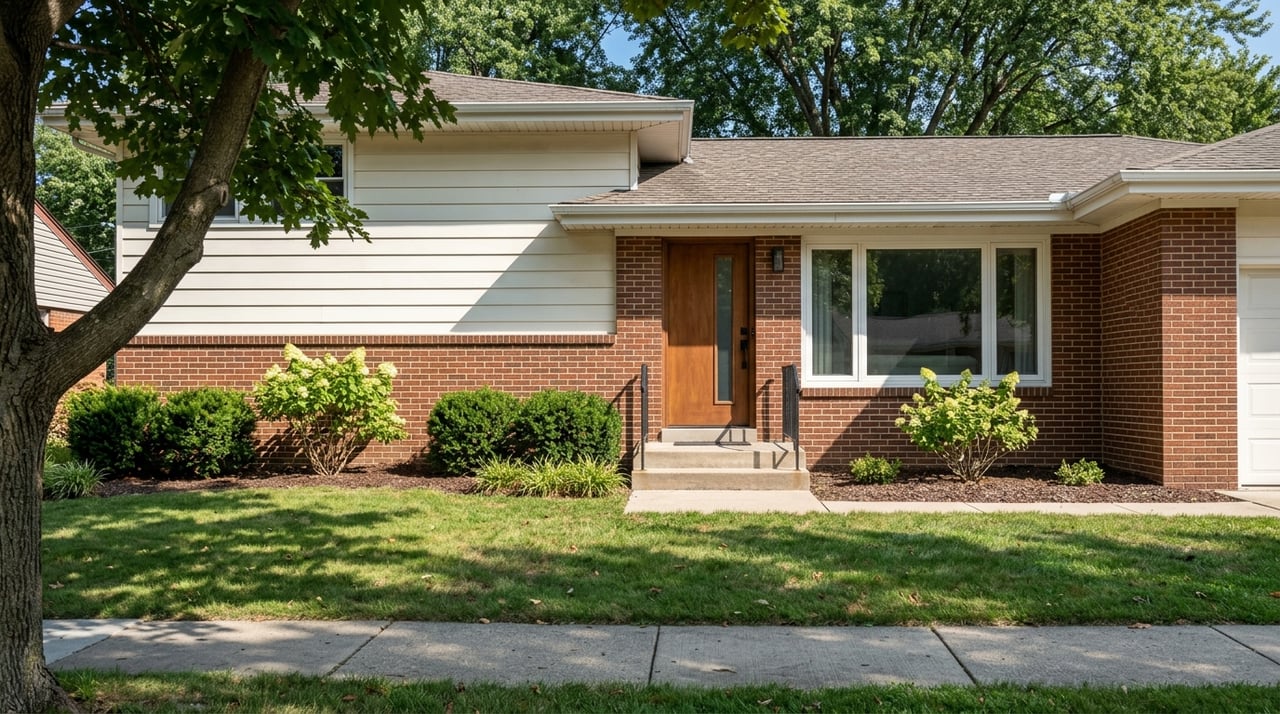
Looking for a suburb that feels connected, convenient, and easy to live in day to day? Western Springs stands out because its lifestyle is shaped by a compact downtown, a well-distributed park system, and neighborhoods with noticeably different housing styles and routines. If you are trying to figure out how the village actually feels beyond listing photos, this guide will walk you through the neighborhoods, daily rhythms, and practical tradeoffs that matter most. Let’s dive in.
What Daily Life Feels Like
Western Springs has a downtown-centered lifestyle that gives many parts of the village a strong sense of routine and connection. The village describes downtown as a place for daily and destination shopping and dining, with an emphasis on preserving its historic scale and character.
That small-scale civic core plays a big role in everyday living. Community anchors include the library, the Theatre of Western Springs, the Village Club, and the Western Springs Service Club pool, along with public gathering points like Tower Green and the historic water tower.
Weekly events help make the center of town feel active without feeling overwhelming. Village news highlights recurring gatherings such as the French Market on Hillgrove Avenue and events on Tower Green, which add a familiar rhythm to the week.
Getting Around Western Springs
For many buyers, Western Springs starts with location and commute. The village sits about 15 miles southwest of Chicago’s Loop, and the Western Springs Metra station is a major part of how residents move between suburb and city.
The station is on the BNSF Line at 914 Burlington Avenue and serves as a practical daily asset for commuters. It is accessible, includes ticket vending machines, offers Zone 3 fares, and has 357 parking spaces across seven lots, with a waiting room open from 4:30 a.m. to 7 p.m.
If you drive more than you ride, highway access adds flexibility. Interstate 294 and Ogden Avenue help connect Western Springs to nearby suburbs and regional destinations, which can matter if your routine includes office travel, school drop-offs, shopping, or regular trips across the western suburbs.
In broad terms, the neighborhoods closest to downtown and the station tend to feel more walkable and commuter-friendly. Areas farther west and south often trade some of that walk-to-town convenience for larger lots or newer housing.
Parks Shape Everyday Routine
Western Springs has a village feel, but its recreation pattern is spread across town rather than concentrated in one corner. The Western Springs Park District manages 13 parks across more than 91 acres, which means green space is built into the residential map.
That matters when you picture ordinary days, not just weekends. Instead of relying on one large destination park, many neighborhoods have nearby outdoor space that supports regular walks, playground time, sports, and casual time outside.
Spring Rock Park is the district’s flagship park at 41.7 acres. It includes playgrounds, a splash pad, sports fields, picnic areas, pickleball, and tennis, and it is open from 6 a.m. to 10 p.m.
Other parks support a more neighborhood-scale routine. Northeast Park in the Field Park neighborhood has four dedicated pickleball courts and a playground, while Ridge Acres Park includes a softball field, athletic field, playground, brick pavilion, and tennis court.
Most other parks are open from dawn to dusk, which reinforces how the park system fits into everyday life. Whether you want a quick stop after work or a longer weekend outing, the setup is designed for regular use.
Western Springs Neighborhood Overview
Western Springs has nine distinct neighborhoods, and each one brings a different mix of housing style, lot size, and daily convenience. The village does not feel uniform from block to block, which is part of its appeal for buyers who want choices within one community.
Some neighborhoods trace back to the village’s earliest settlement patterns, while others began as former farmland, planned subdivisions, or newer redevelopment. That layered history helps explain why Western Springs includes everything from older architectural styles near town to postwar homes and newer attached housing farther out.
Old Town, Field Park, and Ridge Acres
Old Town
Old Town is one of Western Springs’ earliest districts and has strong ties to the area’s mineral-springs history near Spring Rock Park. It is also one of the clearest examples of a walkable, commuter-oriented pocket.
Homes in this area include a wide mix of styles, such as Victorian-inspired houses, American Foursquares, Tudors, bungalows, and newer traditional homes. If you like mature trees, established lots, and easier access to the Metra and downtown, Old Town is one of the first places to explore.
Field Park
Field Park supports a walk-to-everything lifestyle for many residents. Its location near downtown and the station makes it appealing if you want a routine built around local errands, commuting, and easy access to community amenities.
The housing mix includes early-20th-century Colonial and Tudor Revival homes, bungalows, and farmhouses, along with newer traditional homes built from the 1990s through the 2010s. Mature trees and lasting housing stock give the neighborhood a settled feel.
Ridge Acres
Ridge Acres offers another established residential pocket with a slightly different housing character. It is known for well-maintained mid-century homes, large back yards, brick facades, and mature trees.
If you want an established neighborhood feel but are less focused on the oldest housing styles near downtown, Ridge Acres may offer a middle ground. The nearby park also adds to its day-to-day livability.
Forest Hills and Larger Lots
Forest Hills
Forest Hills stands out for space. It was designed with wide, deep front lawns and large backyards, and quarter-acre lots are common.
The housing mix is broad, including 1930s Mediterranean homes, mid-century ranches, townhouses, and 1990s-era construction. Its west-side location also places residents relatively close to I-294, Spring Rock Park, and the Garden Market shopping area.
For buyers comparing neighborhoods within Western Springs, Forest Hills often represents a different tradeoff than the downtown-adjacent areas. You may give up some walkability, but you gain lot size, flexibility, and a wider range of home formats.
Ridgewood and Springdale
Ridgewood
Ridgewood began as a late-1950s farmland plat and today reads as an established single-family neighborhood south of downtown. Wide, sidewalk-lined streets help give it a classic suburban layout.
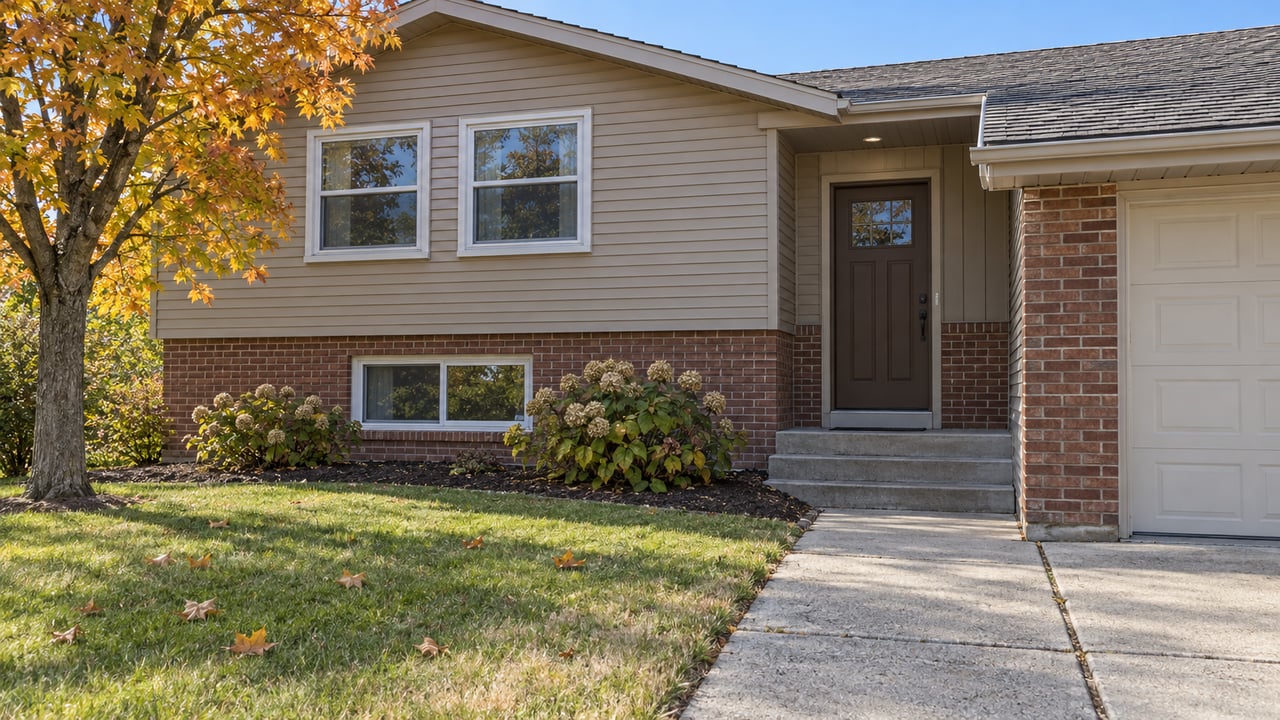
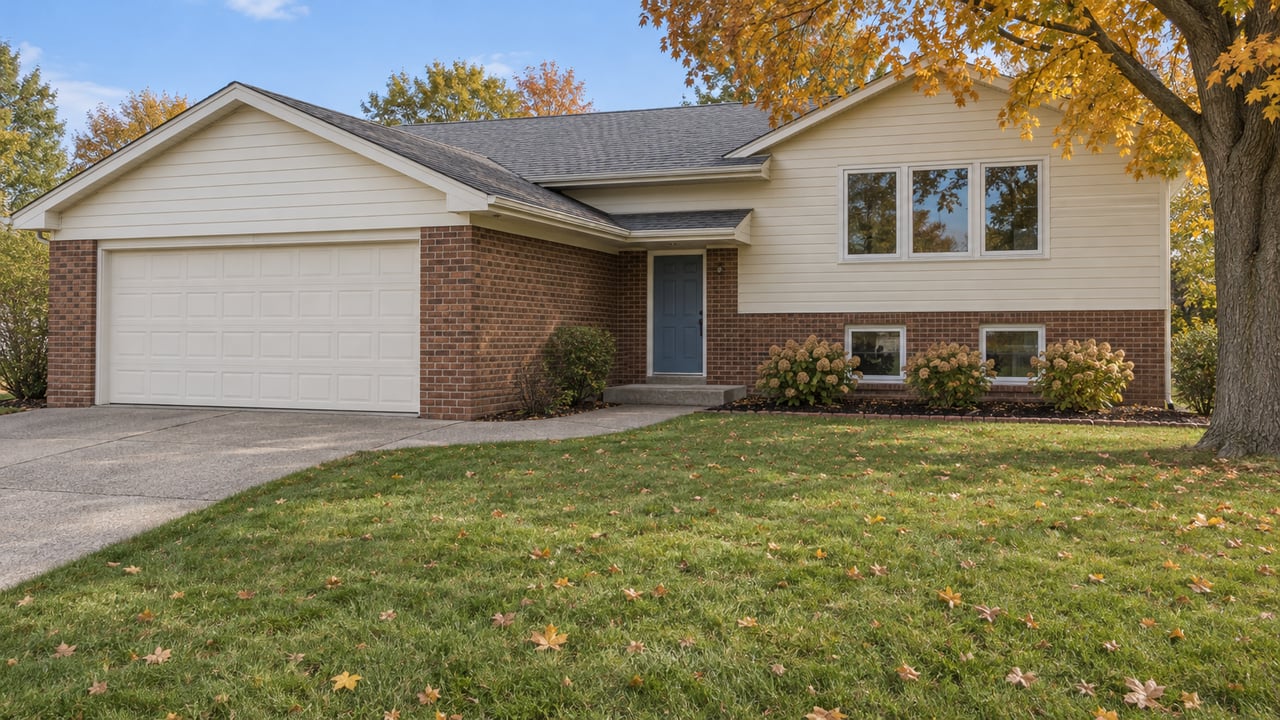
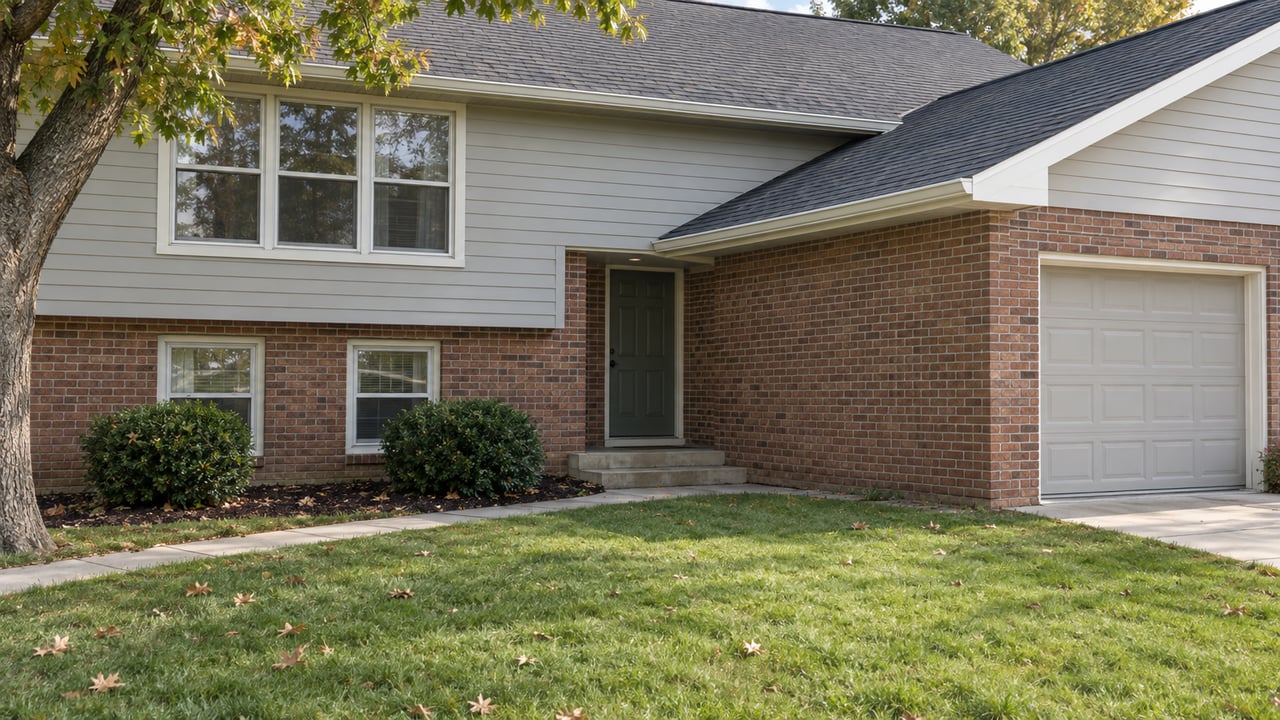
Split-level and ranch-style homes are common here, and the neighborhood still offers useful proximity to both Metra and I-294. If you want a more postwar housing profile with practical commuter access, Ridgewood deserves a look.
Springdale
Springdale also developed from former farmland, but its identity is a bit roomier and more overtly suburban. Homes.com describes a varied mix that includes ranches, raised ranches, two-story ranches, cottages, Cape Cods, and Tudor Revival influences.
Larger lots and shaded streets shape the feel here. For buyers who want space and a broad mix of home types, Springdale offers a different pace from the more walk-to-town neighborhoods.
Commonwealth and Timber Trails
Commonwealth
Commonwealth is the clearest townhome corridor in Western Springs. It was developed on a narrow west-side tract between 47th and 55th Streets as a townhome project.
If you are looking for attached housing within the village, this is one of the most defined places to focus your search. It can be a practical option if you want Western Springs access with a lower-maintenance housing format.
Timber Trails
Timber Trails is the newest large-scale neighborhood addition in Western Springs. It was developed on the former Timber Trails Country Club site and includes a mix of single-family homes and townhomes.
The neighborhood is also known for its walking path and newer traditional homes. If your priority is newer construction within Western Springs, Timber Trails is one of the most relevant areas to compare.
Choosing the Right Fit
Western Springs is not a one-note suburb, and that is part of what makes it appealing. The north and central pockets near downtown often feel the most walkable, the west side tends to offer more space, and the southern edge leans more suburban and, in some cases, newer.
Your best fit depends on how you want your days to work. If you value a short walk to downtown or the train, Old Town or Field Park may stand out. If lot size matters more, Forest Hills or Springdale may be worth closer attention. If you want attached housing or newer development, Commonwealth and Timber Trails may rise to the top.
As you compare options, it helps to look beyond square footage and finishes. In Western Springs, lifestyle is often about how close you are to parks, whether you want a downtown routine, and how much importance you place on commuting convenience versus lot size and newer housing.
If you are exploring Western Springs and want a more tailored view of which neighborhood best fits your goals, Brandon Loncar can help you compare homes, commute patterns, and lifestyle tradeoffs with a clear local perspective.
FAQs
What is everyday life like in Western Springs?
- Everyday life in Western Springs centers around a compact downtown, community gathering spaces like Tower Green, weekly events such as the French Market, and a park system spread throughout the village.
Which Western Springs neighborhoods are closest to downtown?
- Old Town, Field Park, and parts of Ridge Acres are among the neighborhoods most closely tied to a walk-to-town lifestyle and easier access to the Metra station.
What parks are important in Western Springs?
- Spring Rock Park is the flagship park with playgrounds, a splash pad, sports fields, pickleball, tennis, and picnic areas, while neighborhood parks like Northeast Park and Ridge Acres Park support more local daily use.
Is Western Springs good for commuters?
- Western Springs is well positioned for commuters because it has a Metra station on the BNSF Line, parking at the station, and access to regional routes like Interstate 294 and Ogden Avenue.
Which Western Springs neighborhoods have larger lots?
- Forest Hills is especially known for larger lots, with quarter-acre properties common, while Springdale also offers a more spacious suburban feel with larger lots.
Where can you find newer homes in Western Springs?
- Timber Trails is the newest large-scale neighborhood addition in Western Springs and is known for newer traditional homes, a walking path, and a mix of single-family homes and townhomes.
Are there townhome options in Western Springs?
- Yes, Commonwealth is the village’s main townhome corridor, and Timber Trails also includes townhome options alongside single-family homes.