If you want a suburb where you can grab dinner, catch the train, stroll to a park, and still come home to a true village setting, downtown Clarendon Hills deserves a closer look. For many buyers, the challenge is finding a place that feels connected without feeling crowded. This guide will help you understand how downtown Clarendon Hills lives day to day, what home styles you’ll actually find near the core, and what to keep in mind as you search. Let’s dive in.
Downtown Clarendon Hills at a Glance
Clarendon Hills is a west suburban village of about 8,900 residents with more than 100 businesses, according to the village community profile. Its downtown plays an outsized role in daily life, giving you a compact center for dining, errands, events, and commuting. That mix is a big reason the area appeals to buyers who want convenience in a smaller suburban setting.
The village also leans into its small-town identity. Recurring events like the Farmers Market, Dancin’ in the Street, Daisy Days, Oktoberfest, Holiday Walk, and the Annual Tree Lighting Ceremony help make downtown feel active across the year. If you value a place with a real community rhythm, that matters.
Downtown Living Feels Walkable
One of the clearest strengths of Clarendon Hills downtown is its compact layout. The current Downtown Improvement Plan study area is bounded by Railroad Avenue, Ann Street, Eastern Avenue, Park Avenue, and the Walk Avenue alley, which helps define a core that is easy to navigate. In practical terms, that means many daily stops are close together rather than spread out.
The village reinforced that pedestrian feel through its Downtown Revitalization Project, completed in fall 2022. Improvements included work along Prospect and Burlington Avenue, railroad-crossing upgrades, train-station improvements, and updates to Burlington Plaza and the alley areas. For you as a buyer, that signals continued public investment in the heart of town.
Metra Is Part of Daily Life
For commuters, the Clarendon Hills Metra station is central to the downtown experience. The station sits at 1 South Prospect Ave on Metra’s BNSF line, which puts commuter rail right in the middle of the village core rather than off to the side. That setup supports a true walk-to-train lifestyle for some downtown-adjacent homes.
The village parking system also reflects how active the area is. Employees in the Central Business District can buy Blue Dot permits, commuter parking permits are available on a quarterly first-come, first-served basis, and Passport Parking can be used for train-station parking by smartphone. Those details may seem small, but they shape day-to-day convenience if you plan to use the station often.
Dining and Gathering Shape the Area
Downtown Clarendon Hills functions as more than a retail strip. Village materials describe it as a place where people meet, dine, and spend time, with mentions of restaurants such as Little Creperie, Ginger Wasabi, The Open Door Taproom & Bottle Shop, and Village Gourmet. Earlier village materials also noted a broad mix of dining options in town, including Italian, Thai, burgers, pizza, Mexican, sushi, crepes, and dessert.
That variety helps create a downtown that feels useful beyond business hours. Instead of driving somewhere else for a casual evening out, you have local options close to home. For buyers comparing western suburbs, that kind of built-in activity can make a big difference in how a town feels after work and on weekends.
Parks Add to the Village Feel
Downtown living in Clarendon Hills is not only about restaurants and the train. The Clarendon Hills Park District operates eight park sites totaling about 45 acres, and several are close enough to support the village-center lifestyle. That adds balance to the downtown setting.
Prospect Park is especially notable at 23 acres. It includes a fishing pond, walking path, baseball and soccer fields, tennis courts, a playground, and a picnic pavilion. The Park District Community Center is also near the core on Chicago Avenue, which adds another everyday amenity nearby.
Public Spaces Still Evolving
Clarendon Hills is not standing still. Village materials show an ongoing proposed downtown plaza process, along with public discussion around outdoor dining and weather accommodations like heat lamps. That points to a downtown where public space continues to matter and where the village is still refining how residents and businesses use the streetscape.
For buyers, this is important context. Downtown Clarendon Hills feels established, but it is also still being shaped through planning and redevelopment. That can be appealing if you like a community that continues to invest in its center rather than leaving it unchanged for decades.
Home Styles Near Downtown Clarendon Hills
If you expect one signature downtown housing style, Clarendon Hills may surprise you. The village’s downtown design guidelines state that the area has no single defining architectural style. Instead, the guidance emphasizes traditional, human-scale design with features like brick and stone materials, gabled roofs, cornices, columns, shutters, articulated entries, and first-floor display windows.
That design language tells you something broader about the area. Even when buildings differ in age or use, the goal is compatibility in scale and character. New development is generally encouraged to fit the rhythm of neighboring buildings, and historic structures are expected to retain original features during renovation.
Older Homes Are Part of the Story
Clarendon Hills has a meaningful historic housing presence. The Clarendon Hills Historical Society notes five self-guided routes across the village featuring homes that are more than 100 years old. Its Centennial House Tour also highlights houses that have been in the village since the beginning.
For buyers, that suggests older homes are woven into the community fabric rather than limited to a few isolated properties. If you appreciate established streetscapes and homes with architectural history, Clarendon Hills offers that in a real and visible way.
The Housing Mix Is Broadening
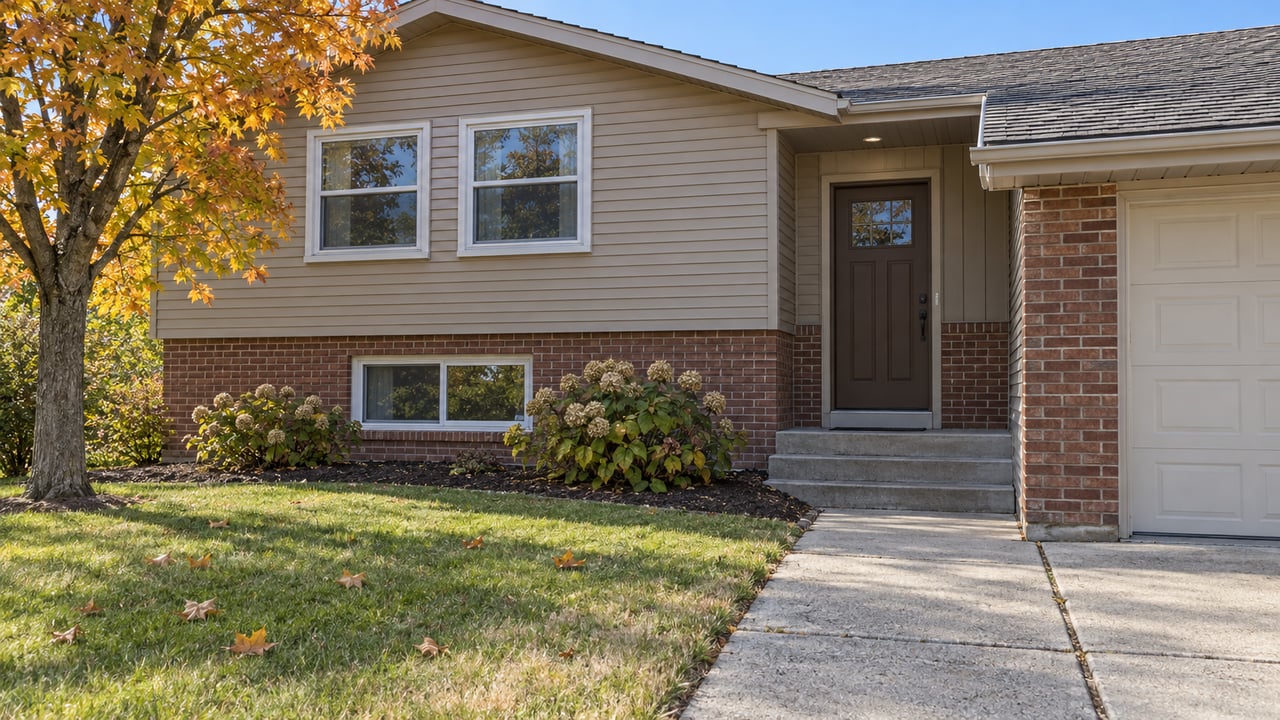
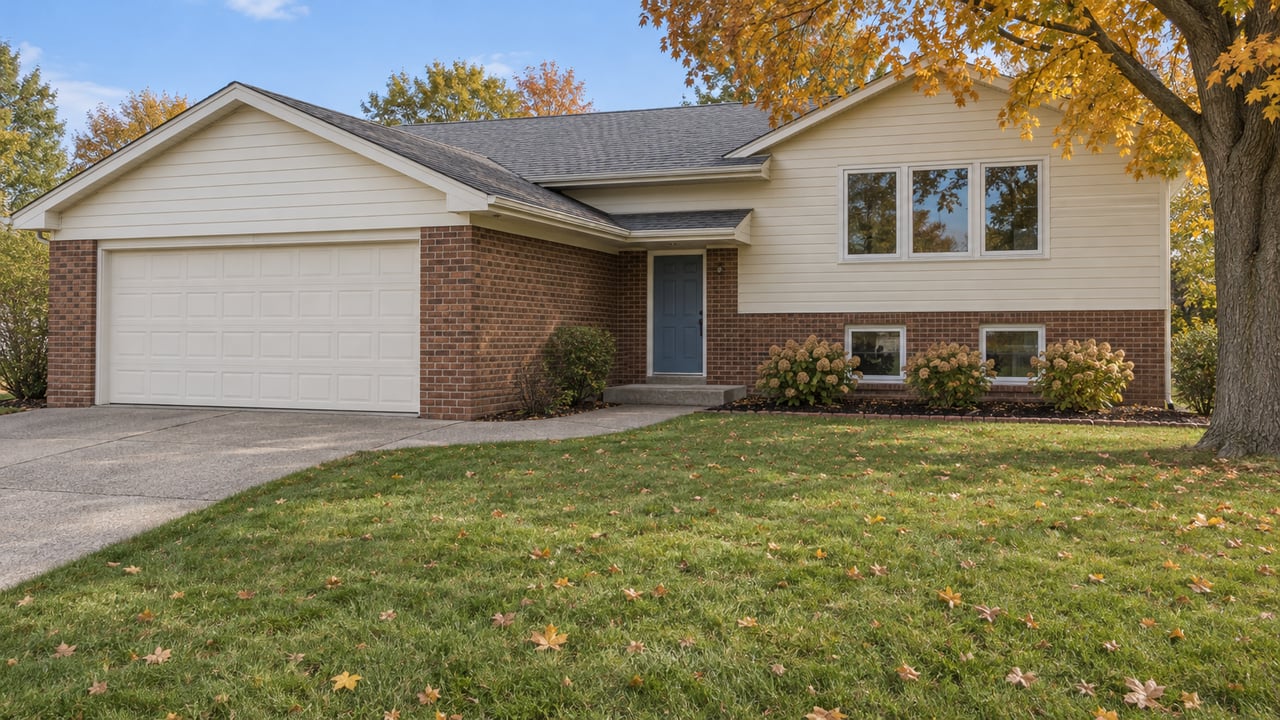
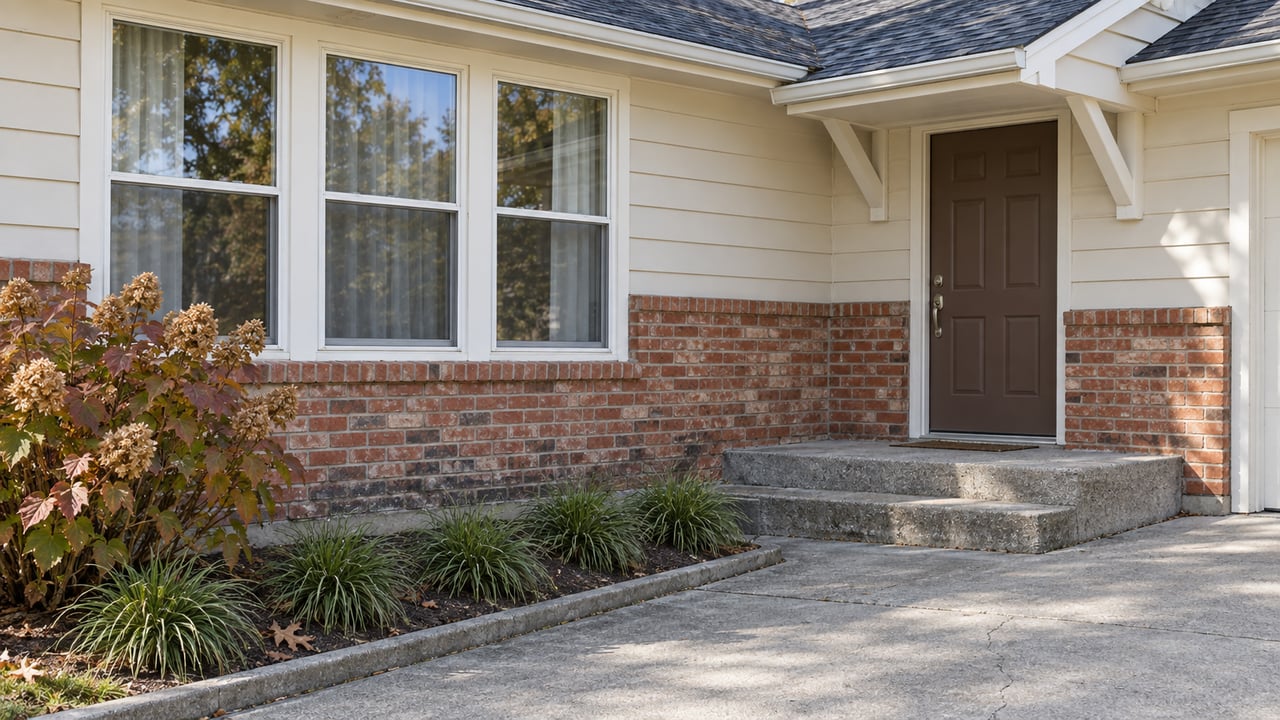
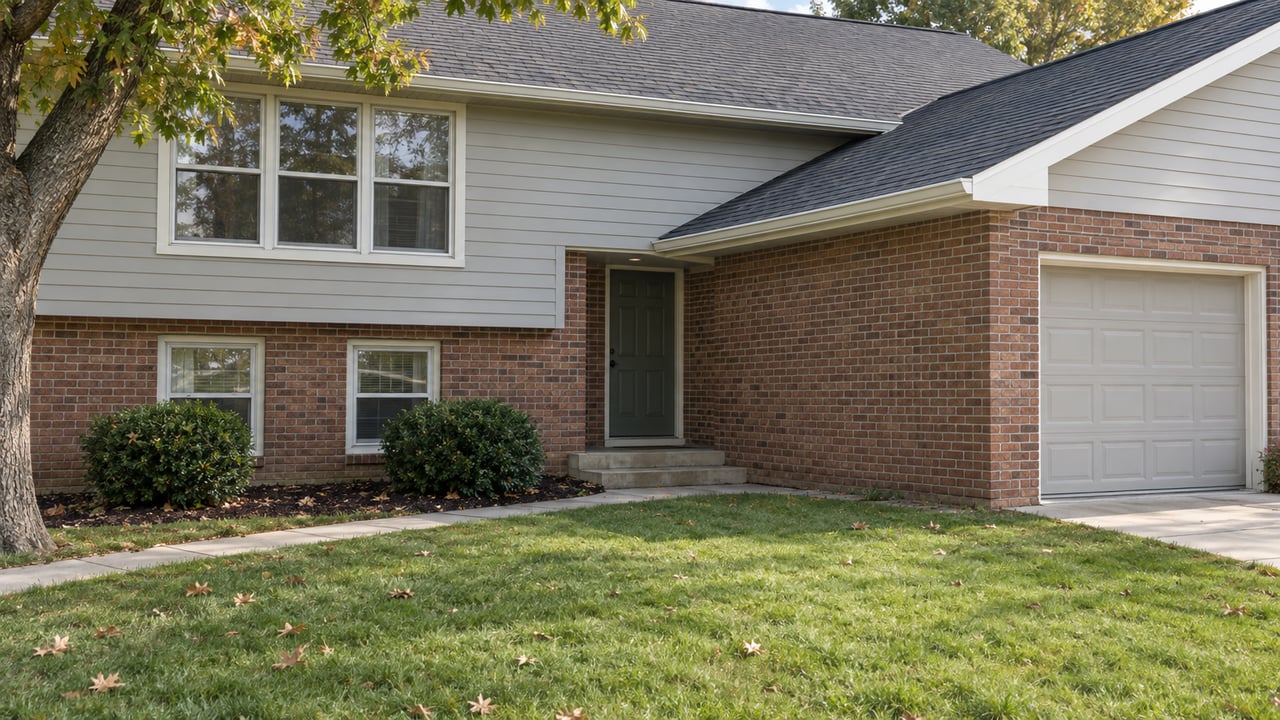
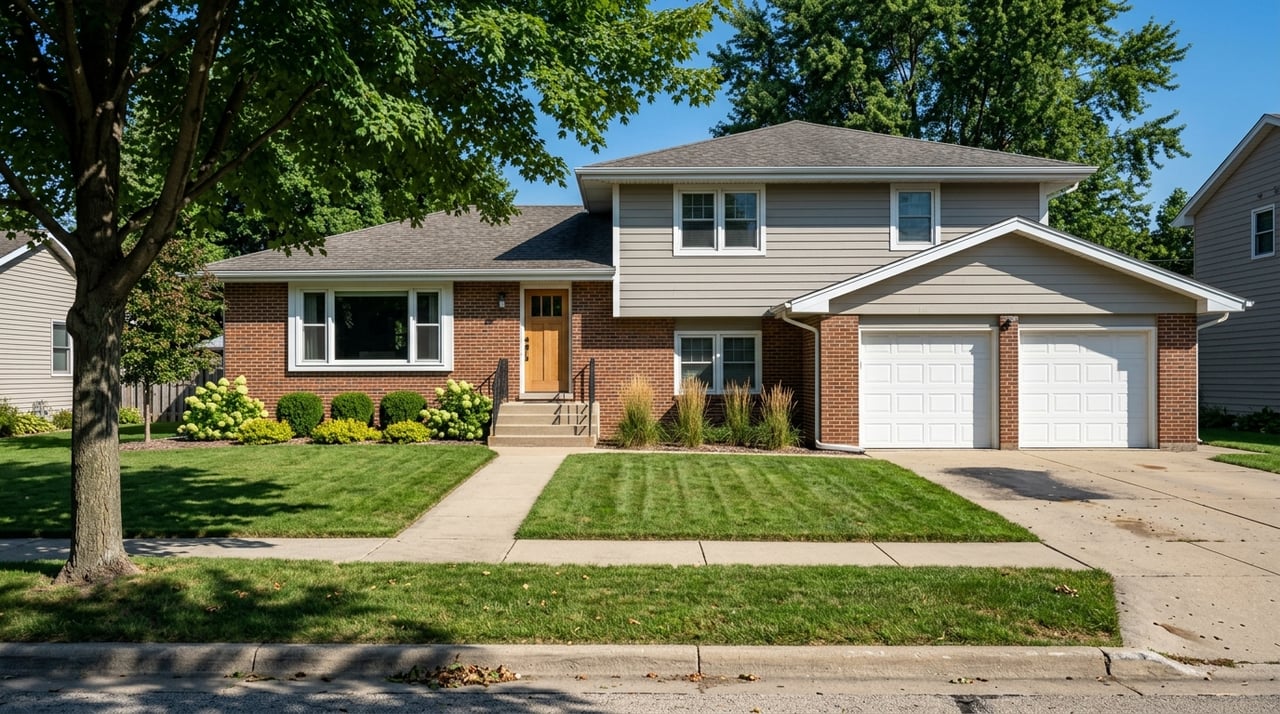
At the same time, downtown-adjacent Clarendon Hills is not defined only by older homes. Current market pages and village development materials point to a mix that includes condos, townhomes, updated ranches, Cape Cods, new-construction homes, apartment additions, and mixed-use redevelopment. In other words, the area combines long-standing housing stock with newer infill and redevelopment activity.
That mix can be helpful if your needs are specific. You may be looking for a lower-maintenance townhome, an updated single-family home, or something newer near the village core. Clarendon Hills gives you a wider range of options than a town with only one prevailing housing type.
What Buyers Should Expect
For many buyers, downtown Clarendon Hills works best as a walk-to-town, train-friendly village setting. You get coffee shops, dining, community events, parks, and commuter rail as part of everyday life, but the setting still reads as a smaller suburb rather than a dense urban district. That balance is a big part of the appeal.
It is also fair to understand the tradeoffs. A lively downtown can mean managed parking, rail activity, and periodic construction or streetscape work as projects move forward. Those are normal realities in a compact center that continues to attract public and private investment.
Why Downtown Clarendon Hills Stands Out
The strongest case for downtown Clarendon Hills is not just one feature. It is the combination of a commuter-friendly train station, an active event calendar, a compact dining core, nearby parks, and a housing mix that blends older village character with newer options. Few suburbs package those pieces together in such a compact format.
If you are weighing lifestyle as much as square footage, this kind of location can be especially compelling. The right home here is not only about the property itself. It is also about how easily you can plug into the daily rhythm of the village.
If you are considering Clarendon Hills and want a thoughtful, local perspective on where downtown living fits your goals, Brandon Loncar can help you evaluate home style, location, and long-term value with a tailored approach.
FAQs
What is downtown Clarendon Hills like for daily living?
- Downtown Clarendon Hills offers a compact village center with dining, community events, parks nearby, and direct access to the Metra BNSF line.
What home styles are common near downtown Clarendon Hills?
- Near downtown Clarendon Hills, you can find a mix of older homes, condos, townhomes, updated ranches, Cape Cods, new-construction homes, and mixed-use redevelopment.
Is Clarendon Hills a good option for Metra commuters?
- Clarendon Hills can appeal to commuters because the Metra station is located right in the downtown core, making train access part of everyday village life.
Are there historic homes in Clarendon Hills?
- Yes, village history materials note multiple self-guided routes featuring homes that are more than 100 years old, showing that historic housing is a visible part of the community.
What should buyers know about downtown Clarendon Hills parking?
- Buyers should know that downtown Clarendon Hills uses managed parking systems, including commuter permits, employee Blue Dot permits, and smartphone payment for train-station parking.
Is downtown Clarendon Hills still changing?
- Yes, village planning materials show ongoing downtown improvement efforts, redevelopment activity, and public discussions about plaza space and outdoor dining.