Trying to choose between Clarendon Hills and Hinsdale for your family? Both offer suburban comfort, strong school pathways, and a quick Metra ride to Chicago, which makes the decision feel close. The right fit often comes down to budget, lot size, commute habits, and how you like your downtown to feel on a Saturday. In this guide, you’ll get a clear, side by side view of schools, housing, yards, walkability, and transit so you can move forward with confidence. Let’s dive in.
Quick snapshot
- Scale and feel: Clarendon Hills has about 8,700 residents, while Hinsdale has about 17,600, according to the U.S. Census QuickFacts. Owner-occupancy is high in both communities. You can review population, income, and housing baselines on the same QuickFacts page for context. See the latest figures on the U.S. Census QuickFacts.
- Typical budget: Census estimates put the median owner-occupied home value around $605,800 in Clarendon Hills and about $1,053,700 in Hinsdale. Zillow’s local index shows Clarendon Hills around the mid-$600,000s and Hinsdale above $1 million in early 2026, which supports the same pattern. Check current market snapshots on the Zillow Clarendon Hills home values page.
- Commute: Both towns sit on Metra’s BNSF line to Union Station. Hinsdale’s station is about 16.9 rail miles from downtown, slightly closer than Clarendon Hills, which can matter on certain express schedules. Source the distance context from the Hinsdale Metra station page.
- Walkability: Both downtowns are very walkable near the station blocks. Walk Score varies by address, so average village scores are lower than the core. You can spot-check any address with Walk Score for Clarendon Hills.
- Lot sizes: Clarendon Hills’ single-family zoning allows smaller minimum lots than Hinsdale. That often translates into less yard upkeep in Clarendon Hills and larger, estate-style yards in parts of Hinsdale. See the codes for details in the sections below.
Schools: pathways and checks
Most addresses in both villages feed into Hinsdale Community Consolidated School District 181 for K–8 and Hinsdale Township High School District 86 for high school. Boundaries are address-specific, and they do change on occasion, so always confirm by home address directly with the districts. You can review school listings and attendance info on the D181 schools page and district context on District 86’s site.
Families often ask about performance. The districts publish assessment and graduation metrics, and the Illinois Report Card site provides objective statewide designations and test results by school and subgroup. Use those official sources to compare recent data, then weigh programs, commute, and housing against your family’s needs. For any given home, verifying the assigned schools by address should be your first step.
Housing and price points
If you want a quick pricing read, start with the Census owner-occupied medians and then look at current market indexes. Census puts Clarendon Hills around $605,800 and Hinsdale around $1,053,700 for owner-occupied values. Zillow’s local index shows Clarendon Hills roughly in the mid-$600,000s in early 2026, while Hinsdale trends above $1.1 million, which lines up with what you see on the ground. You can review Clarendon Hills’ current index on the Zillow Clarendon Hills market page.
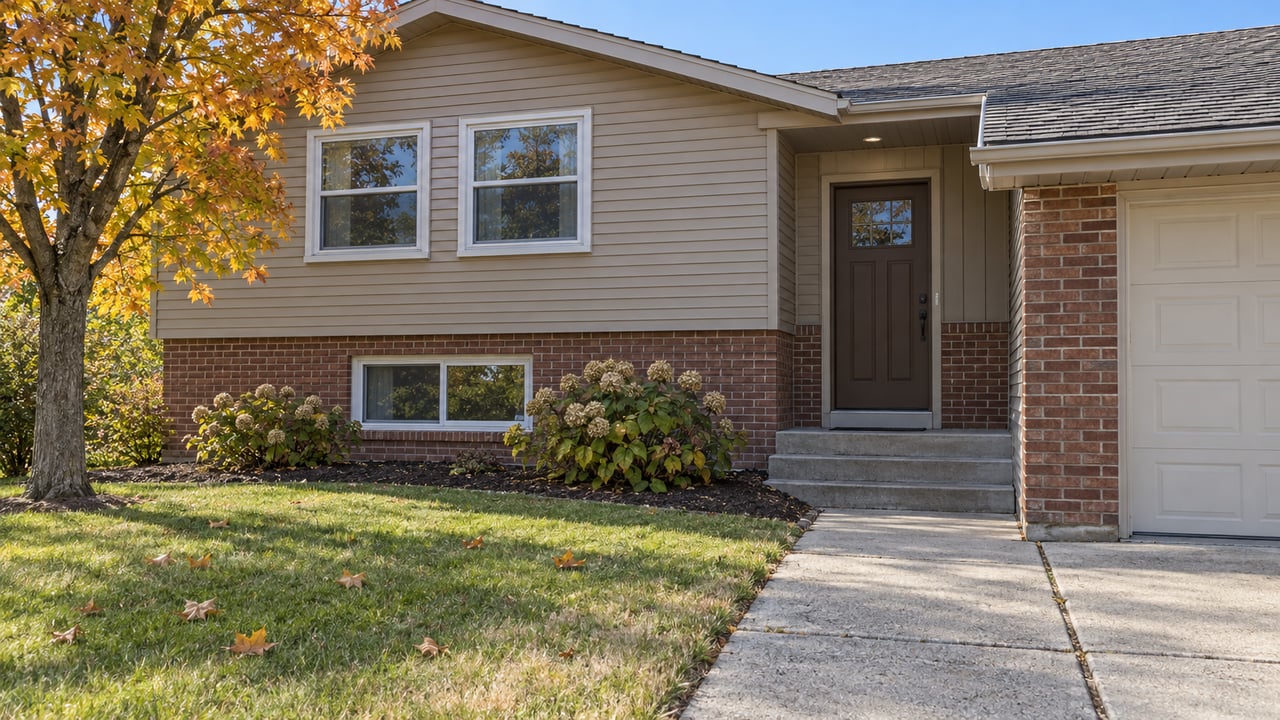
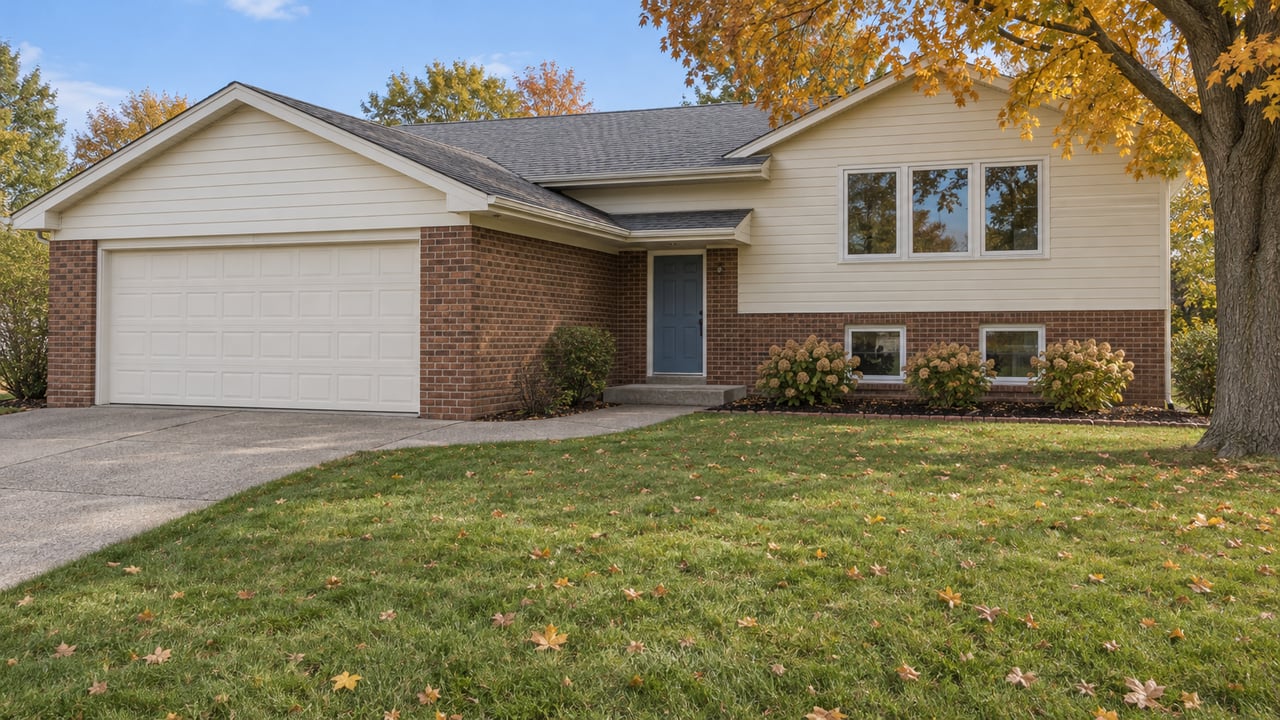
Product mix differs too. Clarendon Hills leans toward modest single-family homes, many mid-century styles, plus a steady rhythm of teardowns and new builds. Hinsdale includes larger historic homes and estate blocks, along with some condo and townhouse options that provide different entry points. In both towns, prices vary by block, so request recent, address-level comps when you get serious.
Lot sizes and yards
Zoning explains a lot about how these towns feel. In Clarendon Hills, the R‑1 single-family district calls for a minimum lot area of 9,000 square feet with typical minimum widths around 60 feet. You can confirm exact dimensional standards in the Clarendon Hills zoning ordinance.
Hinsdale’s single-family districts often require larger minimums. The village code lists R‑1 and R‑2 minimum lot areas around 14,000 square feet, with other districts allowing somewhat smaller parcels. That is why many Hinsdale blocks present deeper lots, broader side yards, and a more “estate-like” streetscape. See the minimums in Section 10‑105 of the Hinsdale zoning code.
For everyday life, this means you will usually find smaller yards and closer house spacing in Clarendon Hills, which can reduce maintenance and, in some cases, overall costs. In Hinsdale, larger yards create room for play areas and pools, though they come with higher purchase prices and more upkeep. If you plan an addition or pool, always verify setbacks, coverage, and permitting with the village.
Walkability and downtown
Both communities center life around their Metra stations. Clarendon Hills has a compact, village-scale downtown with a pedestrian-friendly core. Weekly seasonal events, farmers markets, and small-town programming shape the vibe. If walkability is high on your list, confirm by address with tools like Walk Score, since scores shift block to block.
Hinsdale’s downtown is larger and historic with curated boutiques, restaurants, and a long-running seasonal calendar such as Uniquely Thursdays and a weekly farmers market. You can get a feel for the event mix through the Hinsdale chamber updates. Walkability is excellent in and around the depot, while the broader village averages lower because many residential areas are less dense.
Commute and transit
Both towns sit on Metra’s BNSF line with direct service to Union Station. Hinsdale’s downtown station is about 16.9 miles by rail from the city, while Clarendon Hills is about 18.3 miles. Actual trip times depend on the specific train, express versus local, and the day’s schedule. You can reference rail distance and station context on the Hinsdale station page and then check the current Metra timetable before you go.
For drivers, both communities have easy access to regional corridors like I‑294 and Ogden. Rush-hour congestion will affect travel times, especially inbound mornings and outbound evenings. Hinsdale also benefits from three BNSF stops within the village, which gives families flexibility on parking and pickup.
Taxes and boundaries
Clarendon Hills sits in DuPage County. Hinsdale is mostly in DuPage with a small portion in Cook County, which can affect specific tax bills and jurisdictions. For any address, review the latest parcel record and bill on the county assessor’s site. You can confirm the two-county detail in the Hinsdale, Illinois overview.
Which fits your family
- Lower relative budget, short maintenance, and a walkable core: Clarendon Hills. You will often find a more budget-friendly entry point, smaller lots, and a tight-knit village center near the station. Use Census baselines and current indexes to set expectations, then confirm with recent comps.
- Larger lots, historic homes, and a high-end neighborhood feel: Hinsdale. Expect higher purchase prices, deeper lots, and a broader downtown scene with more boutique retail and dining. Plan for thorough due diligence on zoning and maintenance.
- Shortest rail commute and station options: Hinsdale. It is slightly closer to Union Station and has multiple BNSF stops, which can shave minutes on some runs and make parking more flexible.
- Smallest yard upkeep and lower price-per-square-foot: Clarendon Hills. Zoning minimums and market norms tilt toward compact lots and lower typical values, block by block.
How to verify details
Before you write an offer, confirm the address-level facts that matter most to your family:
- School assignment and K–8 boundaries: Check the D181 schools page.
- High school district context: Review Hinsdale Township High School District 86.
- Zoning, lot coverage, and addition rules: See the Clarendon Hills zoning ordinance and Hinsdale zoning code.
- Commute timing: Start with the Hinsdale station context and then confirm your exact train on the current Metra BNSF schedule.
- Market context: Use Zillow’s Clarendon Hills index and recent neighborhood comps from your agent to align price and pace.
Ready to compare homes on the ground and run numbers with clarity? As a boutique, owner-operated team with integrated mortgage expertise, we combine block-level guidance with premium marketing and financing strategy to help you buy with confidence. For a private, data-backed consult on Clarendon Hills or Hinsdale, reach out to Brandon Loncar today.
FAQs
Which schools serve Clarendon Hills and Hinsdale addresses?
- Most homes feed into District 181 for K–8 and District 86 for high school, but boundaries are address-specific. Confirm your exact schools on the D181 schools page and review district context at Hinsdale Township High School District 86.
How do Clarendon Hills and Hinsdale home prices compare right now?
- Census estimates put the median owner-occupied value near $605,800 in Clarendon Hills and about $1,053,700 in Hinsdale, with Zillow’s local index showing Clarendon Hills in the mid-$600,000s in early 2026; start with Census QuickFacts and the Zillow Clarendon Hills market page for a current snapshot.
What are typical lot sizes and can I add a pool or addition?
- Clarendon Hills’ R‑1 minimum lot area is 9,000 square feet, while Hinsdale’s R‑1/R‑2 districts list around 14,000 square feet; always verify setbacks and coverage in the Clarendon Hills zoning ordinance and Hinsdale zoning code and contact the village before planning improvements.
Is one town more walkable than the other for daily errands?
- Both downtowns are very walkable around the Metra stations, while walkability drops in lower-density residential areas; check any address you are considering with Walk Score and visit at different times of day.
How long is the train ride from each town to Chicago?
- Both use Metra’s BNSF line to Union Station, with Hinsdale slightly closer by rail at about 16.9 miles; travel time depends on the exact express or local train you take, so start with the Hinsdale station overview and confirm the current Metra timetable.