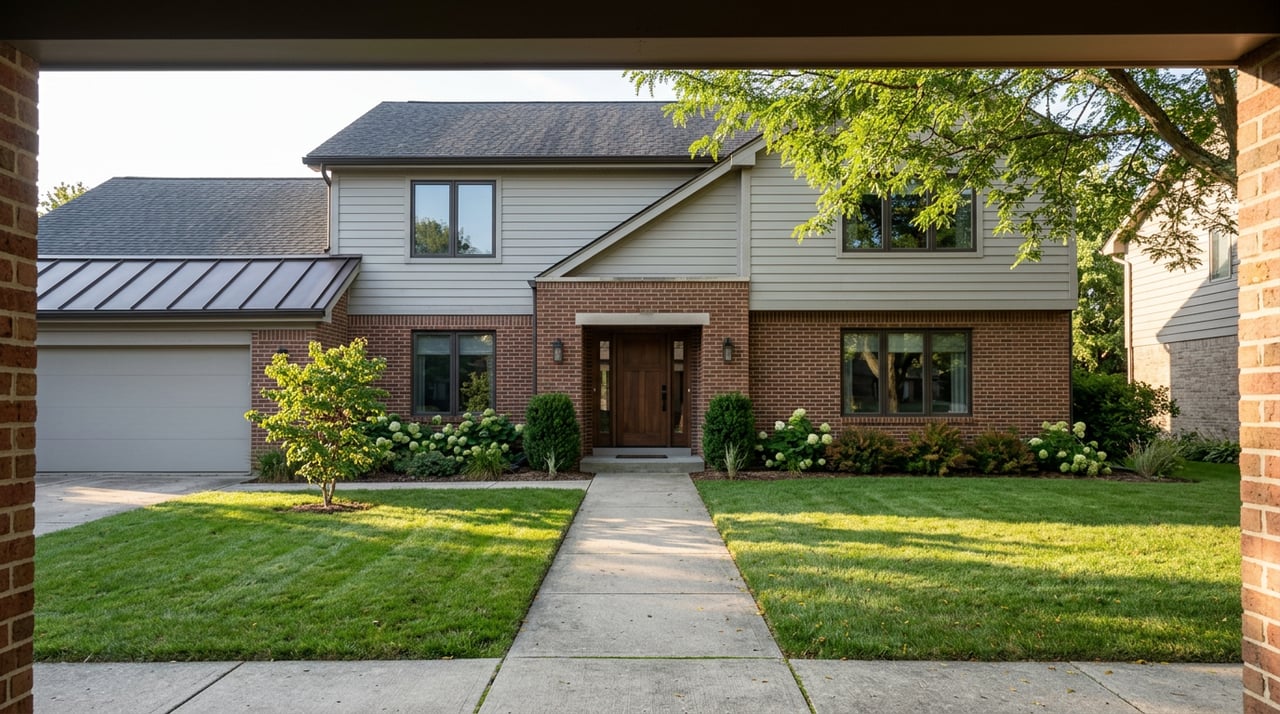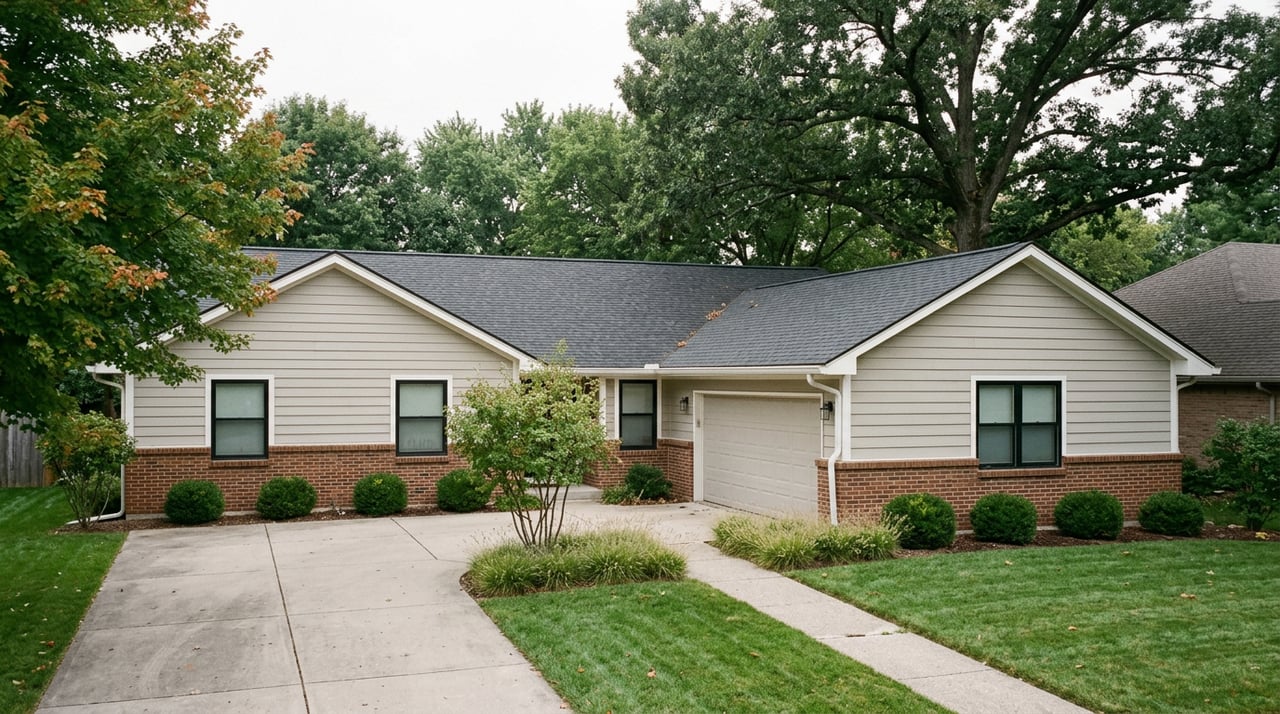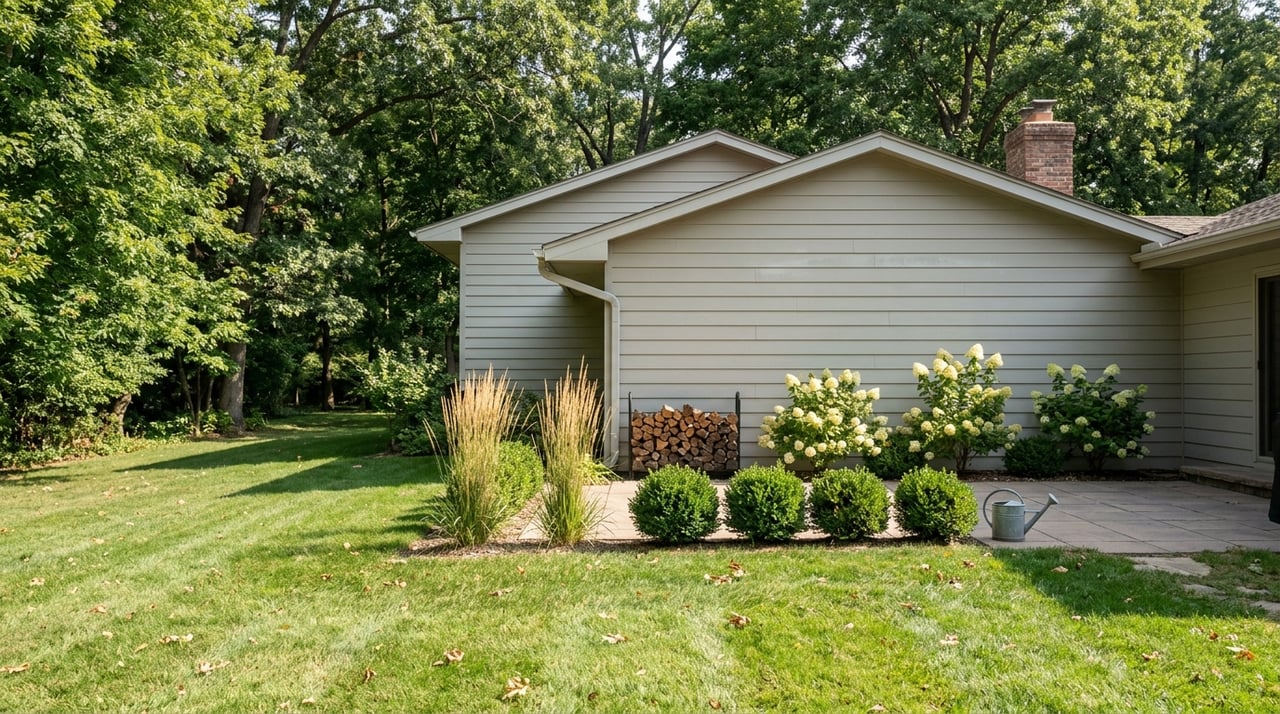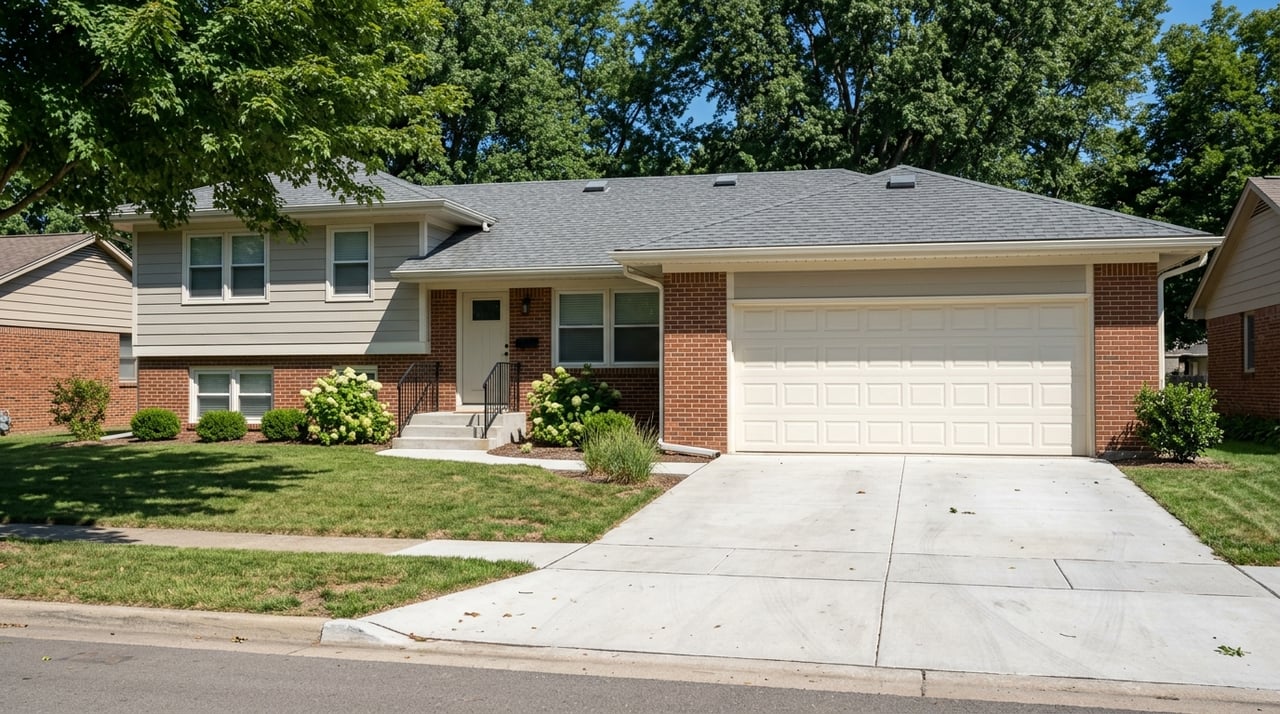
Thinking about buying a brand-new home in Western Springs? The appeal is easy to understand: modern finishes, new systems, and the chance to personalize a home around how you live today. But in this market, new construction usually comes with a more complex process than many buyers expect. This guide walks you through pricing, lot realities, permits, timelines, inspections, and financing so you can move forward with more clarity and confidence. Let’s dive in.
Western Springs New Construction at a Glance
New construction in Western Springs is a small but active segment of the market. Current new-construction listings on Realtor.com show 13 homes for sale, with a median listing price of $1,248,500 and an average market time of 25 days.
Those listings also show a wide range of home sizes and layouts, roughly from 2,200 to 5,150 square feet. That matters because it suggests you are not looking at a one-size-fits-all subdivision model. In Western Springs, new homes are often shaped by the lot, the block, and the design approach for that specific site.
It also helps to compare new construction with the broader resale market. Realtor.com new-construction pricing sits well above citywide sale figures cited in the research, including Redfin’s February 2026 median sale price of $820,000 and Mainstreet Organization of REALTORS’ 2025 detached single-family median of $913,000 with an average sale price of $1,015,045. In short, if you are shopping new construction here, you should expect a premium over many resale options.
Why New Construction Is Often Infill
In a built-out community like Western Springs, new construction often means teardown or infill rather than a large new subdivision. Nationally, NAHB data summarized by Eye On Housing shows that 6.9% of new single-family detached homes were teardowns in 2024, and another 20.1% were built on infill lots in older neighborhoods.
That national trend lines up with what buyers should expect locally. In Western Springs, zoning standards in the R1 district set rules for lot area, lot width, setbacks, height, building coverage, and impervious surface limits. Those rules shape what can be built and how the home sits on the property.
For you as a buyer, that means many new homes in Western Springs are site-specific projects. Instead of choosing from a row of identical plans, you may be evaluating a custom or semi-custom home designed around a particular lot’s dimensions, drainage needs, and setback requirements.
What Lot Rules Can Mean for You
Western Springs lot rules can influence everything from the footprint of the home to the driveway, patio, and garage layout. The village’s R1 standards include a minimum lot area of 6,200 square feet, a minimum lot width of 50 feet on most lots, front-yard and rear-yard requirements, and a maximum building height of 35 feet or 2.5 stories.
There are also separate limits on total lot coverage and impervious surfaces. In practical terms, that can affect how much hardscape fits on the site and how outdoor areas are planned. If you love a certain floor plan online, keep in mind that the final version may look different once it is adapted to the lot.
That is one reason Western Springs new construction can feel more tailored than production-home buying. A home may be new, but the lot often comes with existing constraints that drive design decisions from day one.
Expect a Detailed Permit Process
A new build in Western Springs is not just about selecting finishes and waiting for completion. The village requires permits for any new building and for demolition of any existing structure, and the posted building permit information shows a detailed review process.
Depending on the project, required materials can include:
- Construction documents and building plans
- A current plat of survey
- Engineering demolition and restoration plans
- Engineering topography and drainage plans
- HVAC calculations
- 2021 IECC compliance documentation
- Possible soils reports or structural calculations
- Contractor license applications
- In some cases, a Cook County permit
The building permit application also asks whether demolition is involved, whether work affects the public right-of-way, and whether parkway trees will be impacted. That is a good reminder that a new home here is often a full site-development project, not just a vertical build.
Budget for Local Fees and Deposits
One of the biggest surprises for buyers is how many local costs can appear before or during construction. Western Springs’ published fee schedule includes a $2,000 review deposit for single-family homes.
For demolition or construction of a principal structure, the village also requires a site-management bond of at least $3,000 or 3% of construction cost. Building permit fees are listed as 1.75% of construction costs up to $1 million, then 1% of the next $4 million, and 0.75% above $5 million.
If the home requires a residential fire sprinkler system, there are added review costs as well. The village’s residential fire sprinkler guide notes a $450 plan review and inspection fee, plus an additional $100 if plans are submitted electronically.
Fire Sprinklers Are Part of the Process
In Western Springs, new single-family homes are required to install fire sprinklers. This is not an optional upgrade, so it should be part of your early budgeting and planning.
According to the village guide, sprinkler plan review is handled by Community Development and Fire staff with FSCI, and the system must be supported by at least a 1.5-inch water service. That requirement can affect utility planning and coordination during the build.
The same guide estimates sprinkler plan review at 10 to 12 business days. On its own, that may not seem long, but in a custom build with multiple moving parts, each review period can influence the overall timeline.
How Long Will a New Build Take?
Timelines vary, but it helps to start with a realistic benchmark. Eye On Housing reports that single-family homes completed in 2024 averaged 9.1 months from start to finish, and homes built for sale averaged 7.6 months from permit to completion.
Western Springs adds its own local timing layers through plan review, inspections, and scheduling requirements. Required building inspections generally must be requested 48 to 72 hours in advance, and sprinkler reviews can take 10 to 12 business days.
That means your timeline should include more than just construction days. Plan review cycles, utility coordination, weather, site conditions, and final inspections all matter.
Site Work Can Affect the Schedule
The village’s inspection and site requirements make clear that construction sites must be managed carefully. Standards include construction fencing, erosion control, permit posting, parkway tree protection, roadway cleanliness, and proper handling of dumpsters or porta-toilets.
Water and sewer disconnect or tap inspections also use separate Tuesday and Thursday windows. If a project needs utility work, that scheduling can add another layer to coordination.
Western Springs also requires contractors to be licensed and bonded before permits are issued. For you as a buyer, that means builder organization and local process experience can make a meaningful difference in how smoothly a project moves.
A New Home Still Needs an Inspection
It is easy to assume that a brand-new home does not need much scrutiny. In reality, an independent home inspection is still an important step.
HUD guidance explains that FHA compliance inspections focus on mortgage risk and do not guarantee the condition of the house. Fannie Mae also describes a home inspection as a useful way to identify safety concerns, structural issues, maintenance concerns, or illegal installations.
A new build can still have incomplete items, workmanship issues, or systems that need correction before closing. An independent inspection gives you another layer of protection and a clearer punch list before you take ownership.
Understand Warranties and Builder Documents
If you are using FHA financing for new construction, there are additional builder documents to know about. HUD guidance notes that new construction files include a builder certification and a builder’s warranty of completion of construction, and Form HUD-92544 is required for all new construction.
HUD materials also show that evidence of a 10-year warranty may be included when applicable. The exact documents will depend on the transaction and loan type, but the key takeaway is simple: ask early what builder warranties and certifications will be provided, and review them before closing.
Even if you are not using FHA financing, warranty coverage is still worth discussing in detail. You want to know what is covered, for how long, and what the claim process looks like after move-in.
Financing a Western Springs New Build
Financing new construction can look different from financing a resale home. Fannie Mae allows single-closing construction-to-permanent transactions, which combine interim construction financing and permanent financing into one closing.
That can simplify the process for some buyers, but it does not eliminate the need for careful budgeting. In Western Springs, local review deposits, permit fees, site-management bonds, sprinkler review fees, and other approval-related costs can add up before the home is complete.
This is where early planning matters. You want a clear view of what is rolled into the transaction, what is paid separately, and when each cost is due.
What to Watch Before You Buy
If you are considering new construction in Western Springs, focus on the details that drive both cost and timing. A beautiful floor plan is only part of the picture.
Here are a few smart questions to ask early:
- Is this a teardown, infill build, or fully new site?
- What lot constraints shaped the plan?
- Which village approvals are already complete?
- What fees, deposits, or bonds are still outstanding?
- What is the expected timeline for permits, inspections, and completion?
- What warranties will be provided at closing?
- Will you need independent inspection milestones before final walkthrough?
The more clarity you get upfront, the fewer surprises you are likely to face later.
The Bottom Line on New Construction
Buying new construction in Western Springs can be a great fit if you want modern design, updated systems, and a home tailored to today’s lifestyle. At the same time, this is usually a more layered process than buying a resale property because local zoning, teardown realities, permits, fees, inspections, and timing all play a role.
When you understand how the process works, you can make better decisions about budget, expectations, and builder conversations. If you want guidance on evaluating new construction opportunities in Western Springs and planning your next move with confidence, connect with Brandon Loncar.
FAQs
What does new construction usually mean in Western Springs?
- In Western Springs, new construction often means a teardown or infill project on an existing lot rather than a large subdivision with standard model homes.
How much do new construction homes cost in Western Springs?
- Current new-construction listings on Realtor.com show a median listing price of $1,248,500, which is higher than the broader local resale market figures cited in the research.
How long does it take to build a new home in Western Springs?
- Timelines vary, but national benchmarks in the research show about 7.6 to 9.1 months, and local plan review, inspections, and scheduling requirements can extend that timeline.
Do new homes in Western Springs require fire sprinklers?
- Yes, the village requires new single-family homes to install fire sprinklers, and the system must meet local review and utility requirements.
Should you get a home inspection on new construction in Western Springs?
- Yes, an independent home inspection can help identify workmanship, safety, structural, or completion issues before closing, even on a brand-new home.
What extra costs should buyers expect with Western Springs new construction?
- Buyers should plan for possible local costs such as review deposits, permit fees, site-management bonds, sprinkler review fees, and other approval-related expenses tied to the project.