If you want a suburb that feels connected, walkable, and easy to live in, Clarendon Hills deserves a closer look. For many buyers, the challenge is finding a place that balances commuter convenience, local character, and everyday amenities without feeling oversized or generic. This guide will help you understand what daily life in Clarendon Hills actually looks like, from downtown rhythms to housing character and recreation, so you can decide if it fits your goals. Let’s dive in.
Why Clarendon Hills Stands Out
Clarendon Hills is a compact village in eastern DuPage County with about 8,900 residents and more than 100 businesses. Originally planned in the 1870s and incorporated in 1924, it still carries a strong small-town identity shaped by its historic layout and local business core.
What makes the village stand out is how much variety it packs into a relatively small footprint. You get a commuter-focused downtown, a distinct 55th Street area, and the larger-scale retail presence along Ogden Avenue. That mix gives Clarendon Hills more day-to-day flexibility than many similarly sized suburbs.
The village also has a highly owner-occupied housing base, with about 84% of homes owner-occupied. For buyers, that often signals a community where many residents put down roots and stay engaged in local life.
Daily Life in Clarendon Hills
Life here tends to revolve around a few clear patterns: commuting, downtown errands, local events, and neighborhood routines. Clarendon Hills sits just west of I-294 and Route 83 and just south of I-88 and Ogden Avenue, so regional access is part of its everyday appeal.
Downtown plays an outsized role in village life. The area is pedestrian-oriented and centered around the Clarendon Hills Metra station, where more than 900 people board daily. Many residents walk, bike, or drive through downtown as part of their regular routine, which keeps the core active beyond weekends and special events.
That steady movement matters because it makes downtown feel useful, not just charming. You are not looking at a place that exists only for occasional dinners out. It functions as a real civic and commercial center for the village.
Downtown Shopping and Dining
If you value local businesses, Clarendon Hills leans into that identity. The village describes downtown as home to independently owned restaurants, boutique specialty shops, and gift stores, and it actively encourages residents to shop and dine locally.
This gives the downtown area a more personal feel than a corridor dominated by national chains. In practical terms, you can expect a village center built around repeat visits, quick errands, and familiar neighborhood spots rather than a one-time destination experience.
Downtown is also still evolving. The village completed a Downtown Revitalization Project in fall 2022, and as of spring 2026 it is working on a new Downtown Improvement Plan. That ongoing investment suggests the village sees downtown as a long-term priority.
Community Events That Shape the Village
One of the easiest ways to understand Clarendon Hills is to look at its event calendar. Community traditions are a real part of how people experience the village, especially in and around downtown.
As of 2026, the farmers market runs on Thursdays from 7 a.m. to 1 p.m. from May 14 through October 15 at Village Hall Plaza. Dancin’ in the Street runs Wednesday evenings from 7 p.m. to 9 p.m. from July 8 through August 12 on Prospect Avenue.
The village and chamber also highlight recurring traditions like Daisy Days, Oktoberfest, Holiday Walk, and the annual tree lighting. These events support local businesses, but they also help create the social rhythm that gives the village its sense of place.
Getting Around and Commuting
For many buyers, Clarendon Hills works best when you look at it through a commuter lens. The Metra station is a major anchor, and the daily boarding numbers show how central rail access is to the community.
The BNSF corridor also acts as a practical divider within town. Village commuter parking rules distinguish Burlington Avenue parking north of the tracks from the South Lot next to the station, which tells you that the rail line is more than a transit feature. It is part of how residents orient themselves locally.
There is also some flexibility for station-area parking. The village notes free parking in the Metra lot after noon on weekdays and all weekend, which can be useful for occasional riders or downtown visitors.
Clarendon Hills Neighborhood Feel
Clarendon Hills has a more established, less uniform feel than many newer suburbs. Historical village materials show the area was platted in 1873 with winding streets and odd-shaped lots, which still influences how the village looks and feels today.
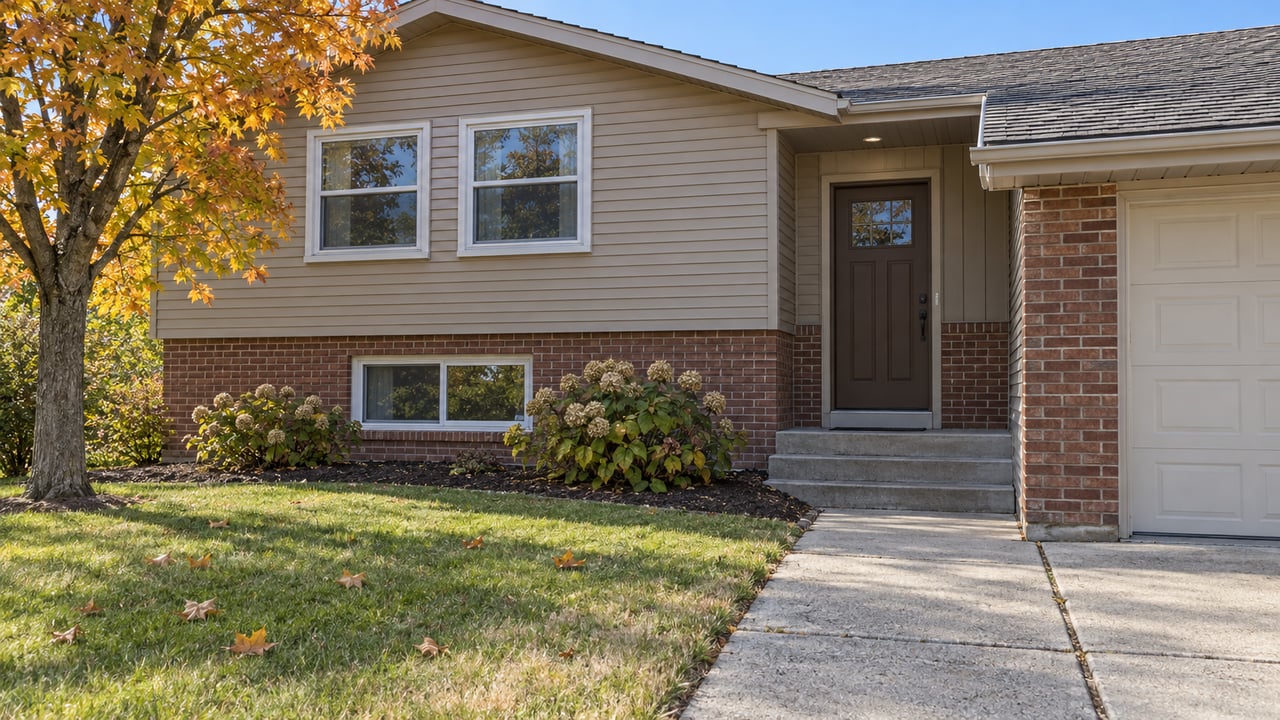
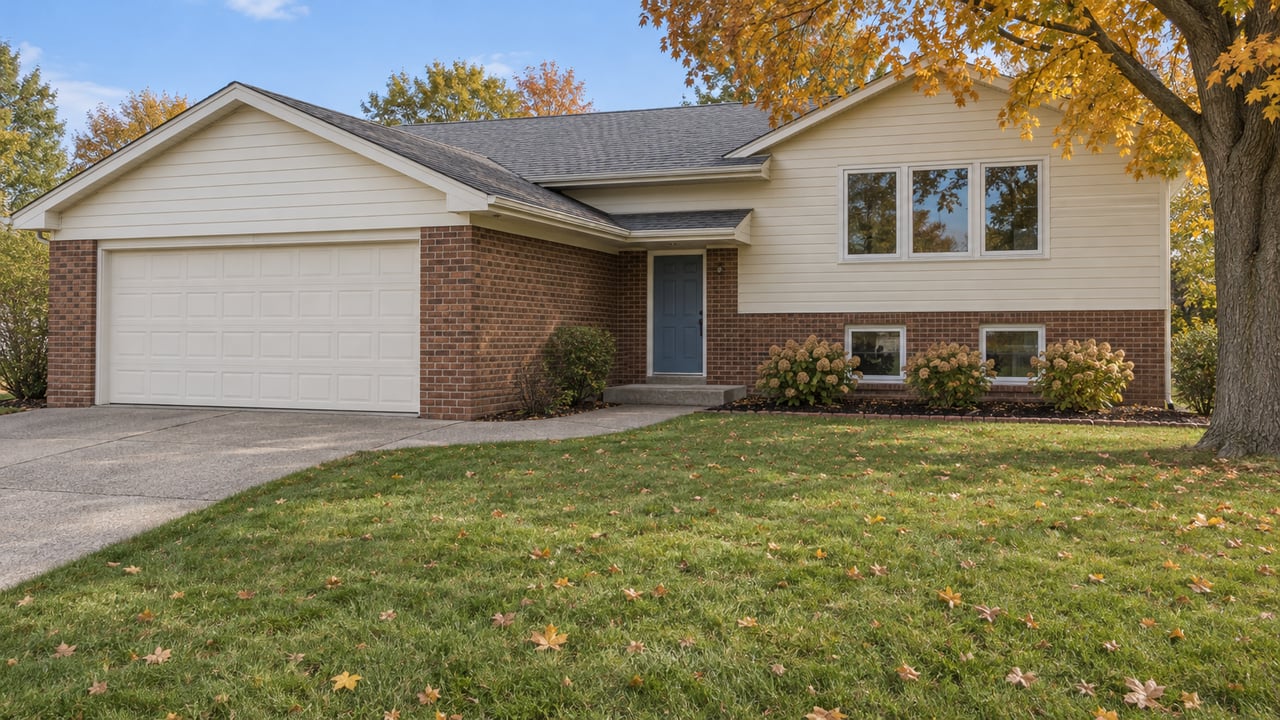
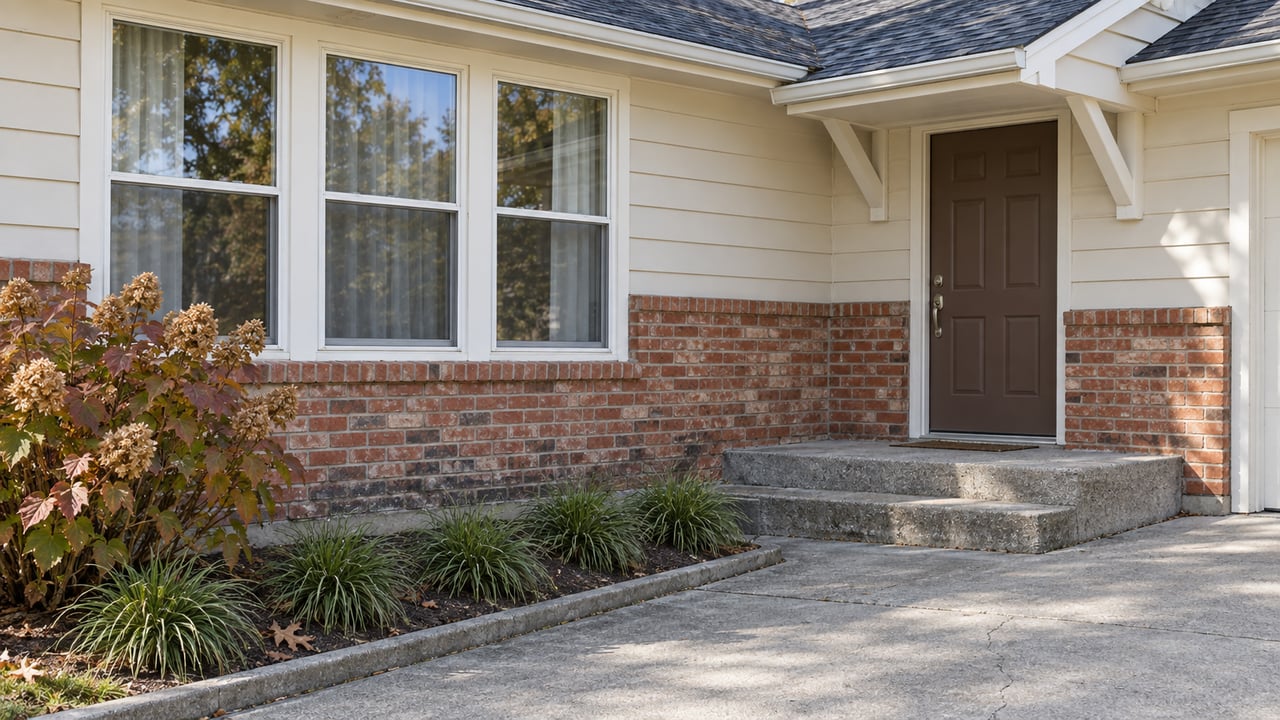
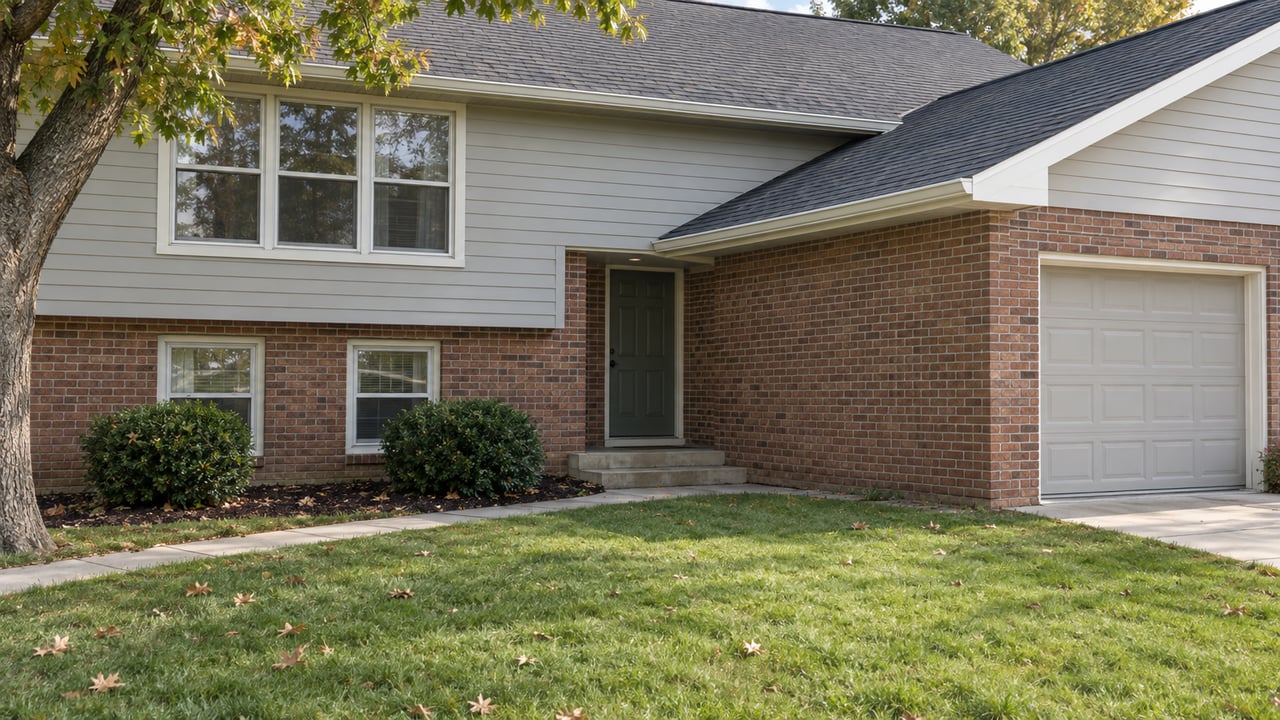
Later growth added ranches, Cape Cods, and split-level homes during the postwar period. Many of those homes remain, so buyers often see a mix of housing styles instead of one dominant look.
That variation can be a plus if you want a neighborhood with a little more texture. Streetscapes tend to feel shaped over time rather than built all at once.
Key Areas Within Clarendon Hills
Even though Clarendon Hills is compact, it has distinct micro-areas that can affect your search. Understanding those differences can help you narrow in on the right fit.
Downtown Core
The downtown core is the village’s most walkable and commuter-connected area. It blends civic uses, local businesses, and station access, making it a natural draw for buyers who want convenience and a stronger connection to everyday village activity.
This area often appeals to people who value being close to shops, dining, and the train. It is the part of town where the small-footprint, lively-downtown identity is most visible.
55th Street Area
The 55th Street area has a different feel from downtown. The village’s official sub-area plan describes it as primarily single-family, with multifamily homes on the edges, plus some 2- and 3-flats on certain streets and commercial uses along 55th Street.
The same plan characterizes the area as a mix of suburban and semi-rural development. In real-world terms, that means the built environment can feel a little more varied and a little less compact than the downtown core.
Ogden Avenue Corridor
Ogden Avenue serves a separate retail role within the village. The village identifies it as the highest-visibility corridor and a fit for larger-scale retail uses.
For residents, that means Ogden adds another layer of convenience without replacing the identity of downtown. It broadens your nearby options for errands and services while keeping the village center focused on local-scale businesses.
Schools and Recreation Resources
For buyers thinking long term, Clarendon Hills offers a well-defined set of school and recreation options. Community Consolidated School District 181 lists Prospect Elementary, Walker Elementary, and Clarendon Hills Middle School in Clarendon Hills.
District 181 operates seven elementary schools and two middle schools, and both Clarendon Hills Middle School and Walker were named 2025 National Blue Ribbon Schools. Many students in Clarendon Hills attend Hinsdale Central High School in District 86, which says it serves Clarendon Hills and was named a 2021 National Blue Ribbon School.
On the recreation side, the Clarendon Hills Park District operates eight park sites totaling about 45 acres. Its facilities and programs include the Community Center, Lions Park Pool, youth camps, youth athletics, teen programs, a 60+ Social Club, and SEASPAR inclusion services.
That range of programming supports day-to-day life for a broad mix of residents. Whether you are looking for activities for young children, structured programs for teens, or offerings for older adults, the local recreation system is a meaningful part of village life.
What Homebuyers Should Know
If you are considering a move to Clarendon Hills, it helps to think about lifestyle before you focus only on price point or square footage. This is a village where location within town can change your experience, especially if you care about walkability, train access, or proximity to retail corridors.
It is also a market shaped by owner-occupancy and established housing stock. You may find homes with more variation in lot shape, layout, and architectural style than in newer suburban communities.
For some buyers, that is exactly the appeal. Clarendon Hills offers a blend of commuter access, local business energy, and residential character that can feel more distinctive than a typical one-note suburb.
If you are comparing western suburbs, Clarendon Hills is worth seeing in person and exploring by micro-area. The difference between living near downtown, near 55th Street, or closer to Ogden can matter just as much as the home itself.
If you are thinking about buying or selling in Clarendon Hills, working with a team that understands how lifestyle, location, and market positioning come together can make your next move much smoother. Connect with Brandon Loncar for tailored guidance in Clarendon Hills and the western suburbs.
FAQs
What is daily life like in Clarendon Hills?
- Daily life in Clarendon Hills often revolves around commuting, downtown errands, local events, and neighborhood routines, with the Metra station and village center playing a major role.
What makes downtown Clarendon Hills different from other suburbs?
- Downtown Clarendon Hills is a pedestrian-oriented core with independently owned restaurants, boutique shops, and strong daily rail use, making it both a social hub and an everyday convenience center.
What are the main areas within Clarendon Hills?
- The village is generally shaped around three key planning areas: the downtown core, the 55th Street area, and the Ogden Avenue corridor.
What types of homes are common in Clarendon Hills?
- Buyers will often see a mix of housing styles, including ranches, Cape Cods, split-level homes, and older homes shaped by the village’s original winding streets and irregular lots.
What recreation options are available in Clarendon Hills?
- The Clarendon Hills Park District operates eight park sites totaling about 45 acres and offers programs that include camps, youth athletics, teen activities, a 60+ Social Club, and inclusion services.
What school districts serve Clarendon Hills?
- Clarendon Hills is served in part by Community Consolidated School District 181 for K-8 schools, and many local students attend Hinsdale Central High School in District 86.