If you are drawn to Burr Ridge for privacy, mature trees, and a more tucked-away feel, a wooded lot can check a lot of boxes. It can also come with more upkeep, more outdoor variables, and a few property responsibilities that are easy to underestimate at first glance. If you are weighing whether this setting fits your lifestyle, this guide will help you understand the real benefits, the common tradeoffs, and what to look at before you buy. Let’s dive in.
Why wooded lots fit Burr Ridge
Burr Ridge has long tied its identity to woodlands, open space, and lower-density residential development. Village materials describe the community as shaped by wooded areas, topography, ponds, and wetlands, and even the village name honors a grove of burr oak trees.
That matters if you are shopping here. A wooded lot is not just a personal preference in Burr Ridge. It also aligns with the character the village has worked to preserve through planning, conservation-minded policies, and tree planting.
Historical village planning materials also show that privacy and physical character were major reasons people chose Burr Ridge. Larger lot sizes were part of that appeal, which helps explain why wooded parcels still feel like a natural fit in the local market.
Benefits of a wooded lot
More privacy and separation
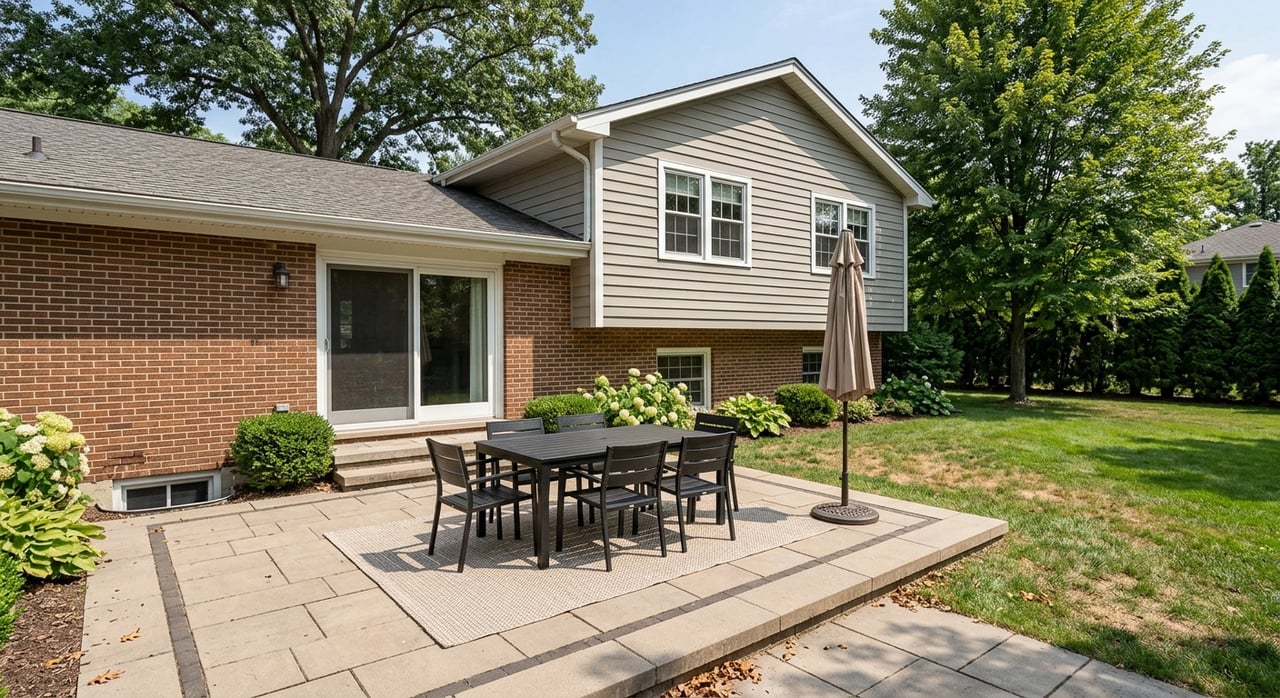
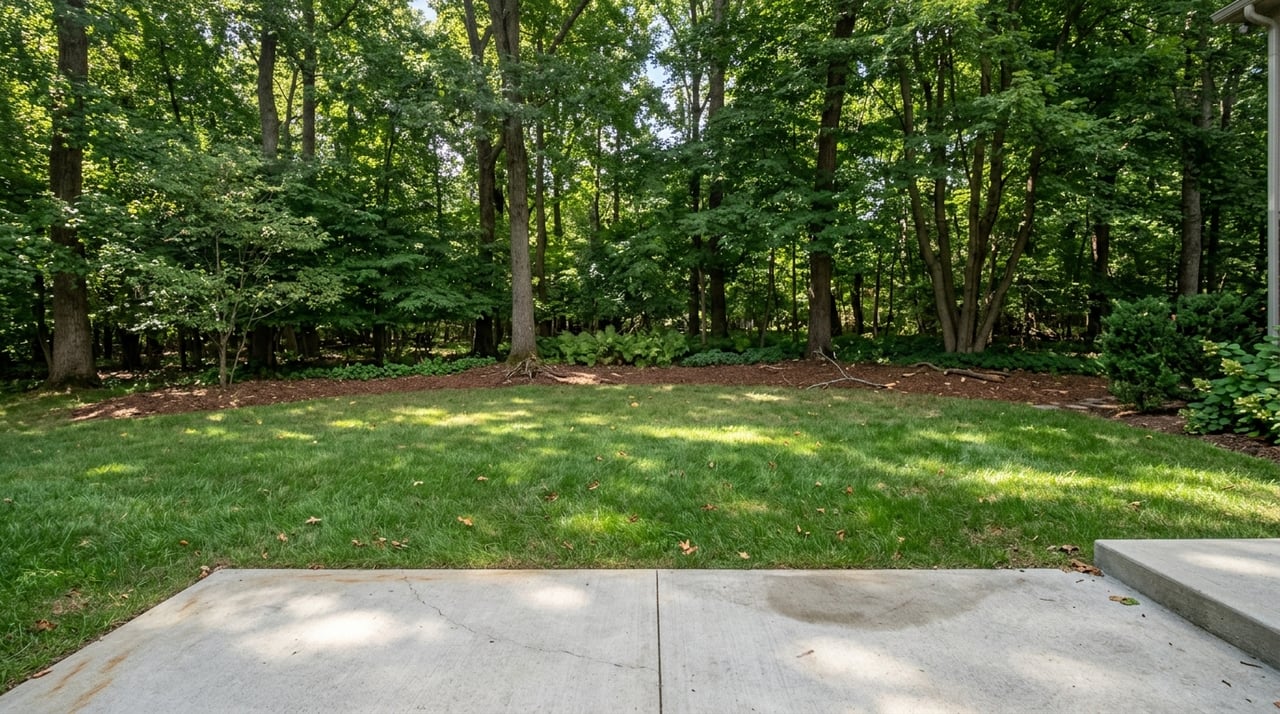
One of the biggest draws is privacy. Mature trees can create a natural buffer between homes, soften street views, and make outdoor space feel more secluded without relying only on fencing or hardscape.
In Burr Ridge, that sense of separation matches what many buyers are looking for in an estate-style or premium suburban setting. If you value a quieter visual experience and a more sheltered backyard, a wooded lot can deliver that in a way an open lot often cannot.
Cooler outdoor spaces
Trees can improve comfort in ways you notice right away. According to the EPA, trees help lower surface and air temperatures through shade and evapotranspiration, which can make patios, lawns, and parts of the home feel cooler in warm weather.
The Forest Service also notes that strategically placed trees can reduce annual air-conditioning costs, in some cases significantly. On a practical level, that means mature canopy can be more than a visual feature. It can support everyday comfort and help moderate summer heat.
Better stormwater absorption
Wooded lots can also help with rainfall management. The EPA says urban trees can absorb 15% to 27% of annual rainfall, which can reduce stormwater runoff.
That does not eliminate drainage concerns, especially on larger or more complex parcels. Still, healthy tree cover can play a useful role in how water moves across a property.
Strong natural character
For many buyers, the appeal is emotional as much as practical. Birds, shade, seasonal color, and a more natural landscape can make a property feel established and distinct.
The EPA notes that trees provide habitat for birds and small mammals, which adds to the experience of living in a more wooded setting. In Burr Ridge, where the local landscape is part of the community identity, that natural character often feels especially consistent with the area.
Potential resale appeal
A well-kept wooded lot can also support market appeal, especially for buyers who specifically want privacy, mature trees, and a more natural setting. Burr Ridge’s planning materials place clear value on privacy and wooded character, and Forest Service research has found that tree cover can support home value in areas where that landscape is already part of the local norm.
That does not mean every wooded lot commands a premium automatically. Condition matters. Healthy, well-managed trees usually strengthen appeal, while neglected landscaping or visible tree issues can make buyers hesitate.
Tradeoffs to expect
More maintenance over time
Wooded lots usually need more hands-on care than open lots. Leaf cleanup, branch removal, pruning, and watching tree health are part of the package, especially as mature trees age.
You may also need to think more carefully about how much sun reaches the lawn, garden beds, or outdoor living areas. Too much shade can affect how parts of the yard function and how easy they are to maintain.
In Burr Ridge, tree management is taken seriously. Village materials note that parkway tree removal requires a permit, only approved species may be planted on parkways, and the village manages more than 12,000 public trees with trimming on a seven-year cycle.
Wildlife comes with the setting
A wooded lot often means more wildlife activity. Illinois Extension says white-tailed deer live in wooded areas and also move into urban areas, where they can become a nuisance in gardens and landscape beds.
The same Illinois guidance notes that squirrels, raccoons, coyotes, geese, and other animals are common around homes. For some owners, that is part of the charm. For others, it means planning for plant protection, secure trash storage, and realistic expectations about outdoor living.
Ticks and mosquitoes may be more noticeable
Insect exposure is another factor many buyers do not fully consider until after move-in. The Illinois Department of Public Health says blacklegged, or deer, ticks are found in wooded areas along trails, and public health guidance also notes that exposure often happens in ordinary yards and neighborhoods.
Mosquito activity can also matter more on leafy, shaded properties, especially if water collects in containers or low spots. Burr Ridge notes that DuPage County properties use a private mosquito-abatement contractor, and public health guidance recommends removing standing water weekly because mosquitoes lay eggs in water-holding containers.
Owner responsibilities may be broader
Some Burr Ridge properties have added owner-side responsibilities that are important to understand before you buy. Village materials state that some homes still rely on private sanitary sewer systems, and homeowners or HOAs maintain stormwater ponds and pipes on private property.
That can be especially relevant on wooded or estate-sized lots, where the property footprint is larger and systems may be less straightforward than in a standard subdivision setting. Burr Ridge also states that it handles water-main repairs to the parkway service box, while the owner pays for the line from that box to the home.
Why drainage matters on wooded parcels
Drainage deserves a close look on any larger lot, but it becomes even more important when trees, grading, and natural topography are part of the mix. Burr Ridge’s comprehensive plan notes that the southern portion of the village is affected by floodplain along the Des Plaines River and Flagg Creek.
That does not mean every wooded parcel has a drainage issue. It does mean you should look carefully at how water moves on the property, where it collects, and who is responsible for any on-site stormwater features.
A mature landscape can be beautiful, but it can also make drainage patterns harder to spot during a quick showing. If you are considering a wooded property, it is worth paying close attention to low areas, pond edges, downspout discharge, erosion, and signs of standing water.
Insurance and tree risk
Tree coverage is another area where assumptions can cause problems. Standard homeowners insurance often covers tree damage when a covered peril such as wind, hail, or lightning causes a tree to fall onto an insured structure, but it generally does not cover damage tied to poor maintenance.
Tree removal coverage may also be limited, and the actual limits vary by carrier. On a wooded lot, it is smart to think of tree care as part of routine property stewardship, not just landscape appearance.
What to review before you buy
If you are serious about a wooded lot in Burr Ridge, focus on the property details that affect ownership day to day. The goal is not to avoid these homes. It is to go in with clear expectations.
Here are a few smart points to review:
- The general health and condition of mature trees
- Visible dead limbs, leaning trunks, or signs of deferred pruning
- How much sun reaches the yard and outdoor living areas
- Drainage patterns after rain, including low spots and runoff paths
- Whether stormwater features are on private property
- Whether the property uses any private sanitary systems
- Water line responsibilities beyond the parkway service box
- Any permit or replacement considerations if you plan major improvements
If a property may be rebuilt or significantly improved later, Burr Ridge’s subdivision rules show that the village forester reviews plats and landscaping plans and may require tree protection and replacement measures. That makes long-term planning important for buyers who may want to expand, rework the site, or build new.
Who a wooded lot suits best
A wooded lot tends to be the best fit if you value privacy, mature landscaping, and a more natural setting enough to accept the extra care that often comes with it. Many Burr Ridge buyers do. That preference lines up with the village’s long-standing physical character.
On the other hand, if you want maximum sun, a simpler yard, and fewer outdoor variables to manage, an open lot may be easier to live with. Neither choice is better across the board. It comes down to how you want your home to feel and how involved you want to be in maintaining the land around it.
The bottom line on wooded living
Living on a wooded lot in Burr Ridge can feel special for very specific reasons: privacy, shade, natural beauty, and a setting that reflects the village’s identity. For the right buyer, those benefits are not small extras. They are the point.
The tradeoff is that wooded properties often ask more of you. Maintenance, drainage awareness, wildlife, insects, and system responsibilities can all play a bigger role than they would on a more conventional lot.
If you want help evaluating whether a wooded property truly fits your goals, resale plans, and comfort level with upkeep, Brandon Loncar can help you look past first impressions and make a more confident decision.
FAQs
What are the main benefits of a wooded lot in Burr Ridge?
- The biggest benefits are privacy, shade, cooler outdoor spaces, natural character, and a setting that fits Burr Ridge’s established identity of wooded, lower-density residential neighborhoods.
What maintenance should you expect on a wooded lot in Burr Ridge?
- You should expect more leaf cleanup, pruning, branch removal, tree-health monitoring, and closer attention to how shade affects the lawn, garden beds, and outdoor spaces.
Are drainage issues more important on wooded properties in Burr Ridge?
- Yes. Drainage deserves extra attention on larger or wooded parcels because grading, tree cover, and private stormwater features can affect how water moves and who maintains related systems.
Do wooded lots in Burr Ridge have more wildlife and insect activity?
- They often can. Illinois guidance notes that deer and other animals are common around homes, and ticks and mosquitoes may be more noticeable in wooded, shaded environments.
Can mature trees help resale value in Burr Ridge?
- They can support appeal when they are healthy and well maintained, especially for buyers who want privacy and a natural setting. Overgrown or poorly maintained trees, however, can have the opposite effect.