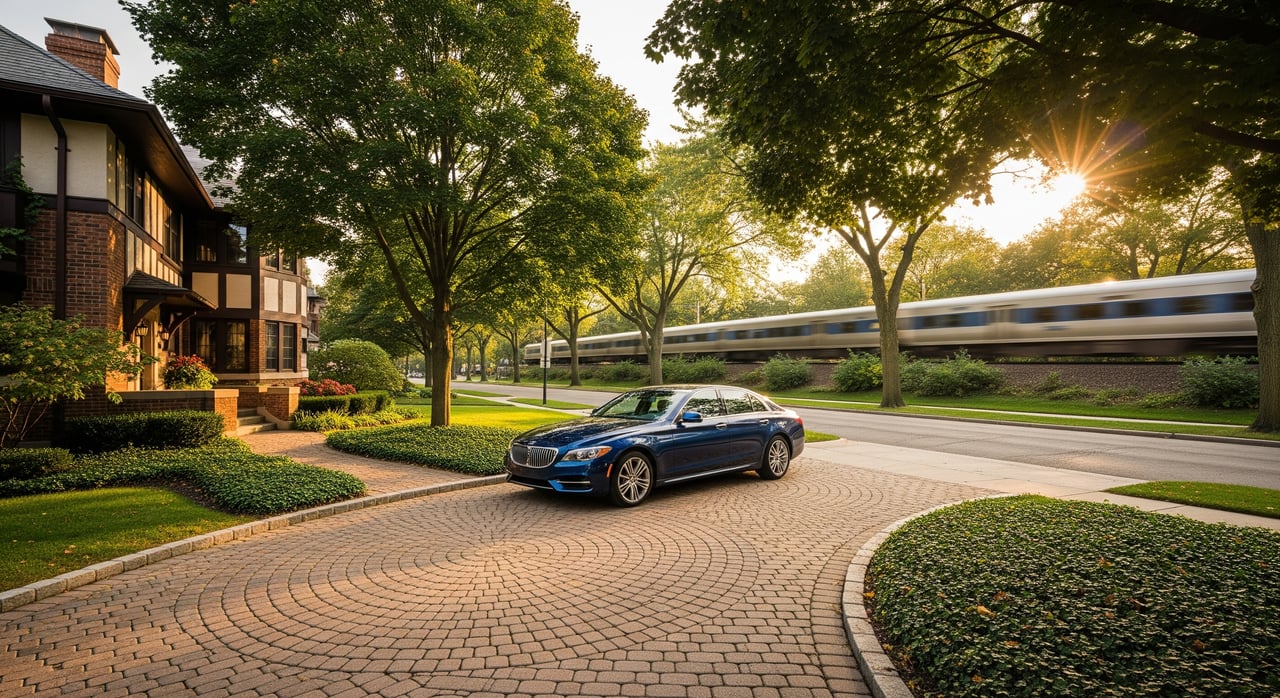
Thinking about Western Springs but unsure how the daily commute will feel in real life? You are not alone. Most relocating professionals weigh door-to-door time, reliability, cost, and how well a hybrid schedule can work. This guide breaks down your Metra and driving options, parking near the station, realistic timing windows, and smart strategies for part-time office weeks. Let’s dive in.
Why Western Springs works for commuters
Western Springs sits close to the city with strong rail service and a walkable village center. Many buyers pick it for balance: neighborhood charm and quick access to Chicago. Your commute decision usually comes down to predictability, schedule fit, and total monthly cost.
If you plan to be in the office a few days per week, Western Springs gives you flexibility. You can ride Metra to Union Station on busier days and drive when your schedule is irregular or late.
Metra BNSF from Western Springs
The BNSF Railway Line connects Western Springs to Union Station in downtown Chicago. Many residents choose Metra for its steady travel time and central arrival point.
Service patterns and timing
The BNSF Line is built for downtown commuters. You will find many inbound trains in the morning and many outbound trains in the evening. Midday and reverse-peak service is less frequent, and weekend schedules run lighter. Always check the current timetable on Metra’s official channels before planning, especially around holidays or seasonal changes.
Door-to-door time factors
Your total commute time depends on more than the train ride. Consider:
- Walk, bike, or drop-off time to the station.
- Wait time until your scheduled train.
- Whether your train is local or express.
- Your connection from Union Station to the office, by walking or CTA.
Testing a few different departure times will show you how much these pieces add up on typical days.
Fares and ticketing
Metra uses zone-based pricing. Compare single-ride, 10-ride, and monthly passes against how often you plan to commute. If you work in-office three or more days per week, a monthly pass can be cost-effective. If you go in one or two days per week, pay-as-you-go options may make more sense. Mobile ticketing and employer pretax transit benefits can reduce effort and net costs.
Station parking and access
Parking near the Western Springs station is managed by the village. Expect a mix of permit lots, limited daily-pay spaces, and controlled street parking in signed areas. Rules and fees can change from year to year, and some permit areas may have waitlists. If you live close enough, walking or biking is the simplest option. Drop-off zones and rideshare work well for early trains.
Before you assume parking is available, review the village’s current permit maps, application details, and enforcement hours. If you are buying, these details help you decide how close to the station you want to live.
Metra pros and cons
Pros
- Predictable travel times compared with peak expressway traffic.
- Arrival at Union Station near many downtown offices.
- Ability to work, read, or recharge onboard.
Cons
- You need to align with scheduled train times.
- Reverse-peak and off-peak options are less frequent.
- Station parking can be limited or require permits.
Driving to downtown Chicago
Driving offers door-to-door control, which is useful for irregular hours or meetings across the city. Your exact route depends on your start point in Western Springs and where you are going downtown.
Common routes
Many commuters use local arterials to reach the expressway system, then head toward the Loop. Depending on destination and traffic, drivers connect via major interstates or continue on surface streets into downtown. Your preferred route may change by time of day and current conditions.
Time windows and variability
Peak periods are the main challenge. Inbound mornings and outbound evenings can add considerable time compared with off-peak drives. Off-peak is usually faster and more reliable. Day-to-day variability comes from crashes, construction, weather, special events, and seasonal patterns. Budget a buffer when you must arrive by a hard deadline.
Parking and costs
Driving costs include fuel, tolls where applicable, and downtown parking. Daily parking near the core can be pricey. Monthly garage contracts are available but only make sense if you drive frequently. Some employers offer parking subsidies while many expect transit use. If you mix driving and Metra, compare your combined monthly costs to a full-time transit pass.
Driving pros and cons
Pros
- Door-to-door flexibility for early, late, or multi-stop days.
- Useful if you need a vehicle in the city for client visits or equipment.
Cons
- Higher variability in travel time during peak periods.
- Downtown parking costs and availability.
- Stress from congestion on busy routes.
Practical driving tips
- Shift your schedule. Leaving 30 to 45 minutes earlier or later than peak can save more time than you think.
- Check live traffic before you go. Rerouting around incidents can protect your arrival time.
- Consider a park-and-ride strategy. On certain days, drive to a convenient station or lot, then finish the trip by rail.
Smart hybrid strategies
Hybrid weeks run smoother when you set a rhythm that fits both your calendar and the network.
Plan your week
- Anchor in-office days around known peak trains that match key meetings.
- Aim to arrive either earlier than peak or after the worst congestion when you drive.
- If you target a popular Metra departure, arrive at the platform a bit early to get a seat.
Cost and pass choices
- If you commute three or more days per week, price out a monthly Metra pass.
- For one to two days per week, compare single or 10-ride tickets against occasional parking downtown.
- Use employer commuter benefits for pretax savings on either transit or parking.
Backup plans
- Keep a short list of alternate train times and driving routes.
- For late evenings, confirm last-train options or plan to drive home.
- If a disruption occurs, consider rideshare to a different station with more frequent service.
Quality-of-life lens
A slightly longer but consistent rail trip often beats a highly variable peak drive. Many professionals prefer the ability to use train time productively and reduce day-to-day stress. Hybrid schedules that avoid peak driving can add meaningful time back into your week.
How to test the commute before you buy
Run trial days to see the real experience. Try this:
- Pick two likely in-office days and two likely departure windows.
- Do a full door-to-door test by Metra and by car on different days.
- Log total time, waiting, transfers, parking experience, and arrival buffer.
- Note any schedule friction, like crowded trains or tricky garage entries.
- Repeat once during bad weather or after-work event times for a second data point.
Your notes will show which option is more consistent for your routine and which home locations best fit your plan.
What to verify before you decide
- Metra schedule and fare zone for Western Springs, including express options that match your hours.
- Village parking rules, permit applications, fees, lot maps, and any waitlists.
- Real-time driving patterns on different weekdays and times, along with toll routes you might use.
- Employer commuter benefits, flex-time policies, and parking subsidies.
- Total monthly costs under three scenarios: mostly rail, mostly driving, and a hybrid mix.
Dialing in these details helps you choose the right house location, budget, and weekday routine.
The bottom line for Western Springs commuters
Western Springs gives you two strong commute paths. Metra offers predictable timing and a downtown arrival that fits many office days. Driving gives you flexibility when your schedule is irregular or you need a car in the city. With a hybrid plan, you can mix both for cost and time savings.
If you are weighing neighborhoods, lot sizes, and station access, you do not have to figure it out alone. We help relocating buyers compare door-to-door times, align home choices with commuting goals, and structure timelines with confidence. Ready to explore homes that fit your commute and your lifestyle? Connect with Brandon Loncar for a tailored, data-informed plan.
FAQs
How long is the Metra ride from Western Springs to Union Station?
- It is a relatively short trip compared with farther suburbs, but door-to-door time depends on station access, train selection, and your final downtown connection.
Is parking easy at the Western Springs Metra station?
- Parking is managed by the village and includes permits and limited daily options; availability and rules can change, so check current maps, fees, and any waitlists.
What is the best time to drive from Western Springs to downtown?
- Off-peak windows are usually faster and more reliable; shifting your departure 30 to 45 minutes from the peak can create notable time savings.
How do I compare costs for Metra versus driving?
- Add up fares or pass costs, plus station parking if needed, and compare to fuel, tolls, and downtown parking; include any employer transit or parking benefits.
Where does the BNSF Metra line arrive in Chicago?
- Trains from Western Springs arrive at Union Station, which is a central hub with walkable connections and CTA options to reach many downtown offices.
What if my schedule is hybrid with irregular hours?
- Use Metra for predictable days and drive on irregular days, aim for off-peak departures, and keep backup train times and alternate driving routes handy.